
Arsenophonus
Arsenophonus
Description
Symptoms
Symptoms of Arsenophonus infection in plants often mimic those of phytoplasm diseases, making visual diagnosis in field conditions difficult.
The primary manifestation of the infection is systemic leaf deformation, appearing as curling, crinkling, and abnormal discoloration (chlorosis).
A slowdown in general plant growth is often observed, expressed by shortened internodes and the formation of an excessive number of lateral shoots.
In the generative organs of affected crops, fruit underdevelopment, premature shedding, or complete flower sterility may occur.
A characteristic sign can be a disruption of assimilate transport through the phloem, leading to specific necrotic changes in the vascular bundles.
Pathogen
Arsenophonus is a genus of gamma-proteobacteria that primarily leads an endosymbiotic lifestyle. In agronomy, they are known as facultative endosymbionts of insect vectors capable of infecting the vascular system of plants.
The pathogen belongs to a category of bacteria that were long considered solely as insect symbionts, but modern research has confirmed their role in plant pathogenesis.
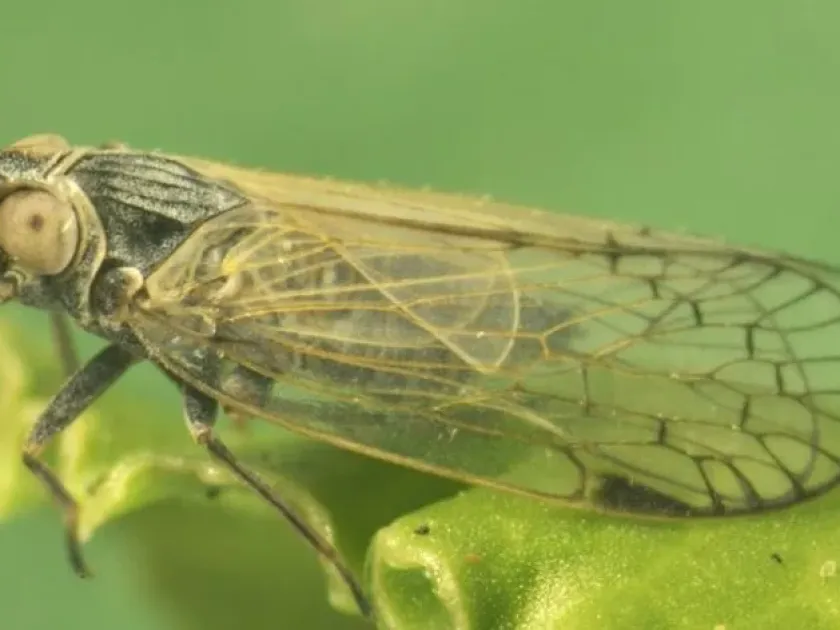
These microorganisms are frequently found in the salivary glands and intestines of phytophagous insects, such as leafhoppers and bugs, making them direct participants in the infection process.
The biological specificity of the species lies in its ability for horizontal transfer between different insect species and plant hosts.
This object is a prokaryotic organism that requires specific molecular genetic diagnostic methods for accurate identification in plant tissues.
Conditions for development
The development and spread of the bacterium depend directly on the activity of insect vector populations, which are the main infection transmitters.
High humidity and warm temperature regimes facilitate the rapid growth of leafhopper populations, automatically increasing the risk of mass crop infestation.
The presence of weeds along the edges of fields creates natural reservoirs where the pathogen can persist throughout the growing season.
The infection is transmitted transmissively: while feeding on a healthy plant, the insect introduces the bacteria into the phloem sap.
The scale of infection spread also correlates with crop density, as limited space facilitates the migration of vectors between adjacent plants.
Why it matters
The main danger of Arsenophonus lies in the reduction of crop yields and the loss of commercial quality of the produced agricultural goods.
Infected plants become physiologically weakened, making them more vulnerable to the impact of secondary fungal and bacterial infections.
In nurseries and seed farms, the presence of the pathogen can lead to the total culling of planting material due to the risk of latent carriage.
Economic damage consists of direct crop losses and the costs of implementing additional phytosanitary measures to control insect populations.
Prolonged infection of perennial plantations leads to gradual degradation and plant death, requiring their radical removal from the plot.
Protection
The primary protection strategy is built on strict control of insect vector populations using systemic insecticides.
Regular weeding and removal of weeds that can serve as intermediate hosts for the pathogen and vectors are essential.
The use of high-quality, certified seed and planting material free from viral and bacterial pathogens is highly recommended.
Application of agrotechnical methods, such as crop rotation and spatial isolation of fields, contributes to reducing the overall infection pressure.
In case of detecting outbreak foci, the infected specimens must be immediately destroyed to prevent the further spread of the infection throughout the field.
Discussion
No discussions yet — be the first.