
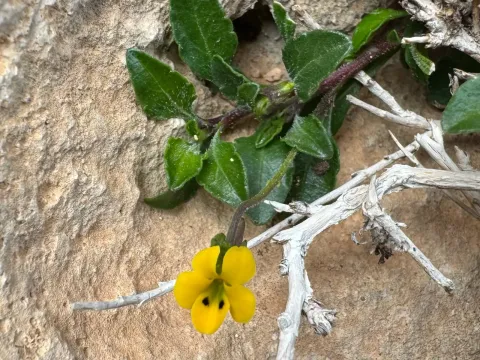
Viola scorpiuroides
Viola scorpiuroides
Viola scorpiuroides is a distinctive herbaceous species belonging to the Violaceae family. Unlike common garden violets, this plant is specifically adapted to arid environments, exhibiting unique biological traits that reflect its desert or semi-desert origin.
What the section contains
Viola scorpiuroides
The native distribution of this species is largely centered in North Africa, specifically Libya. It typically occupies stony substrates, crevices, and calcareous soils where moisture availability is minimal and seasonal fluctuation is extreme.
For cultivation, it requires conditions that mimic its natural habitat: a well-draining, mineral-heavy substrate. Standard potting mixes are unsuitable; instead, a blend of grit, volcanic rock, and sand should be utilized to prevent moisture retention.
Climate requirements include a distinct period of dry rest, which is essential for the plant's life cycle. During the growing season, protection from intense direct heat while ensuring excellent air circulation is necessary to prevent physiological stress.
The cultural use of Viola scorpiuroides is currently confined to botanical gardens and research collections. It serves as a valuable genetic resource for studying drought tolerance within the genus Viola.
Root rot, primarily caused by fungal pathogens such as Pythium, is the most critical threat to the survival of this species in artificial environments. Overwatering is almost always the cause of rapid plant failure.
Spider mites are a common pest, particularly if the plant is grown under glass or in environments with low humidity. Regular inspection is required to detect early signs of infestation, such as yellowing leaves or webbing.
Aphids can also pose a risk during the spring growth flush, potentially transmitting viral diseases. Control involves manual removal or the application of specialized systemic insecticides that are safe for rare species.
Powdery mildew may develop if there is a lack of ventilation coupled with high ambient humidity levels. Ensuring that the crown of the plant stays dry during irrigation is a vital preventative strategy.
Nutrient toxicity, or salt buildup in the substrate, can severely stress the plant. Using low-concentration, balanced fertilizers is recommended only during the peak growing season to avoid damaging the root structure.