
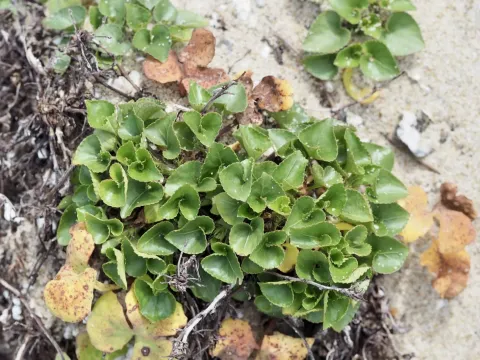
Viola senamiensis
Viola senamiensis
Viola senamiensis is a distinct species within the Violaceae family. It is known for its delicate nature and specific habitat requirements, typically found in high-altitude regions where the environment is cool and stable.
What the section contains
Viola senamiensis
Agricultural success with this species depends heavily on the soil structure. It thrives in porous, well-draining substrates enriched with organic matter. Proper root aeration is the most important factor in preventing the collapse of the plant's vascular system.
Regarding climate, the plant requires filtered light and protection from extreme temperatures. It performs best in environments where ambient humidity is moderate to high, mimicking its natural mountainous origin.
Management practices include careful irrigation scheduling. Overwatering is the leading cause of plant mortality in professional settings, as it quickly leads to root rot in poorly ventilated containers or ground patches.
The cultural value of Viola senamiensis lies in its unique botanical features, making it a target for specialized nurseries and conservation-focused botanical collections. Cultivation is generally done in controlled environments to ensure survival.
The primary diseases threatening Viola senamiensis are fungal infections such as Pythium and Botrytis. These pathogens thrive in high humidity and stagnant air, which is why proper spacing and ventilation are essential for crop health.
Common pests affecting this species include spider mites and aphids. These insects exploit the plant's delicate leaf structures, quickly leading to chlorosis and general plant decline if not detected during early monitoring.
Integrated pest management (IPM) is highly recommended for this crop. Utilizing biological controls alongside targeted chemical treatments helps maintain plant health without inducing stress or residue buildup.
Nutrient imbalances, particularly excessive nitrogen, make the plant susceptible to environmental stress and opportunistic pathogens. Balanced, slow-release fertilizers are preferred to maintain steady growth without causing rapid, succulent tissue development.
Regular monitoring is key. Inspections should focus on the underside of leaves and the crown of the plant, as these are the most common areas where pest populations and initial fungal symptoms appear.