
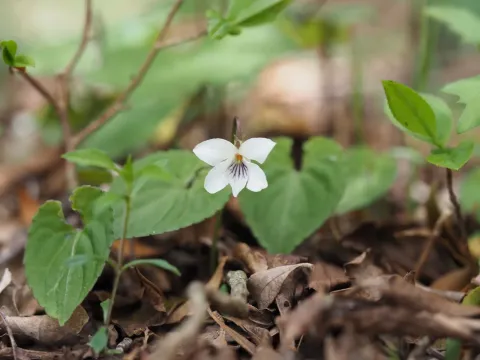
Viola shikokiana
Viola shikokiana
Viola shikokiana is a perennial herbaceous plant belonging to the Violaceae family. Native to the mountainous regions of Japan, this species is highly valued in specialty horticulture for its delicate appearance and unique growth habit.
What the section contains
Viola shikokiana
The cultivation of this plant requires a well-draining, humus-rich substrate with a slightly acidic to neutral pH level. It thrives in soils that retain moisture without becoming waterlogged, which is essential for maintaining the health of its root system.
Light requirements are critical: Viola shikokiana prefers dappled shade or indirect sunlight. Exposure to intense, direct afternoon sun should be strictly avoided to prevent foliage scorching and thermal stress on the plant.
Temperature management involves keeping the environment cool and stable. In regions with hot summers, growers must utilize mulching or provide additional shade to keep the root zone temperature within the optimal range for the species.
Botanically, the plant is characterized by its distinct leaf texture and specific flower morphology. Proper spacing is necessary when planting to ensure adequate airflow, which is a key factor in preventing moisture-related complications.
The primary threats to Viola shikokiana are fungal pathogens, specifically those causing root rot and damping-off. These diseases are usually triggered by poor drainage or excessive humidity in the growing medium.
Gastropods such as slugs and snails represent a significant threat, particularly in the spring months. These pests can rapidly defoliate the plant, necessitating the use of perimeter barriers or targeted control measures to protect the collection.
Aphids can infest the plant, feeding on the tender growth and potentially transmitting viral diseases. Early detection is vital for effective management, often involving manual removal or the application of insecticidal soaps.
Mites, including spider mites, can thrive if the air surrounding the plant becomes too dry. Increasing ambient humidity and ensuring proper irrigation are standard preventative practices for professional gardeners.
Nematode infestations can lead to weakened root systems and stunted overall development. Using sterilized potting mixtures and maintaining high standards of greenhouse sanitation can mitigate the risk of these microscopic pests.