
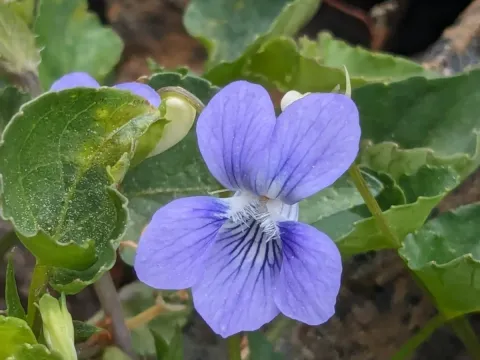
Viola sieheana
Viola sieheana
Viola sieheana is a perennial herbaceous plant belonging to the Violaceae family. It is recognized for its delicate foliage and distinctive flower structure, which makes it a notable candidate for rock gardens and specialized temperate landscape projects.
What the section contains
Viola sieheana
The species originates from the Mediterranean basin and Asia Minor, where it has evolved to colonize rocky slopes and well-draining meadows. Its biological adaptation to these environments makes it a resilient plant when grown under appropriate conditions.
Optimal growth requires a well-drained, nutrient-rich soil with a neutral to slightly acidic pH. Incorporating organic matter into the soil profile enhances both moisture retention and aeration, which are essential for the healthy development of its root system.
Light requirements for Viola sieheana are categorized as partial shade to full sun, depending on the intensity of the climate. In hotter regions, protection from intense afternoon sunlight is necessary to prevent leaf scorching and to prolong the blooming duration.
Regarding moisture management, the plant thrives when the substrate is kept consistently moist but never waterlogged. During periods of drought, regular irrigation is advised, focusing on the base of the plant to keep the foliage dry and reduce fungal risk.
Powdery mildew is a common fungal threat that appears as a white coating on the leaves, especially during humid and still weather. Improving air circulation around the plants is the most effective cultural method to mitigate the risk of infection.
Root rot, frequently caused by stagnant water, is a significant threat to the plant's survival. Maintaining high standards of soil drainage and avoiding over-mulching near the crown are critical practices to ensure the plant remains healthy throughout the year.
Aphids and spider mites are the primary insect pests affecting the foliage. These pests can be managed through the application of insecticidal soaps or neem oil treatments, applied consistently at the first sign of infestation to prevent population spikes.
Slugs and snails can cause substantial damage to young, tender growth, particularly during spring nights. Utilizing physical barriers such as crushed eggshells or copper tape around the planting area can help deter these mollusks effectively.
Viral pathogens may cause leaf mottling or stunted growth in some instances. To manage these, it is imperative to promptly remove and destroy any infected specimens to prevent the spread of the virus to healthy plants in the collection.