
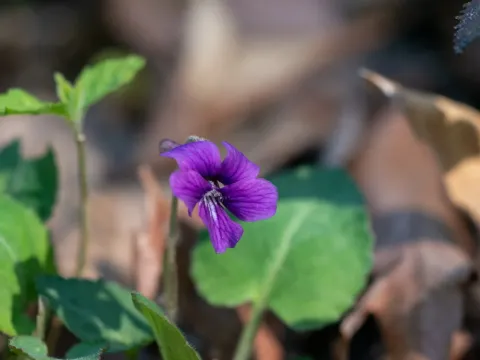
Viola phalacrocarpa
Viola phalacrocarpa
Viola phalacrocarpa, commonly known as the bald-fruited violet, is a herbaceous perennial plant belonging to the Violaceae family. It is native to the temperate forests of East Asia, including regions in Russia, Japan, China, and Korea.
What the section contains
Viola phalacrocarpa
The plant thrives in soil rich in organic matter, preferring a moist but well-draining substrate. In garden settings, it is best suited for woodland areas or shaded borders where the soil acidity level remains neutral to slightly acidic.
Climate requirements for this species are centered on temperate environments. It is highly cold-hardy, capable of surviving harsh winters if it has established a strong root system during the growing season. Adequate shade protection is essential to prevent leaf scorching.
Botanically, Viola phalacrocarpa is characterized by its distinct reproductive strategy, which includes producing both open, pollinated flowers and closed, self-pollinating cleistogamous flowers. The latter ensures seed production even when environmental conditions are unfavorable.
In terms of usage, this violet serves as an excellent groundcover for shade-loving garden themes. Its subtle beauty and low-growing habit make it a preferred choice for woodland gardens, rockeries, and areas that require low-maintenance native vegetation.
Fungal diseases such as powdery mildew and various leaf spot pathogens represent the primary threats to the health of Viola phalacrocarpa. These are often triggered by excessive humidity levels or overcrowding, which limits airflow.
Root rot is a significant risk if the soil remains waterlogged. Proper drainage is critical; otherwise, the plant's delicate root system will quickly succumb to decay, leading to plant death, especially in heavy or clay-based soils.
Slugs and snails are the most prominent insect-related pests for this species. They feed on the foliage, often leaving unsightly holes. Management involves using physical barriers or organic baits to protect the leaves during wet weather cycles.
Aphids might occasionally colonize the plant during warmer months, specifically targeting the tender new growth. Monitoring and early intervention with natural insecticides can effectively manage aphid populations without damaging the plant.
Cultural prevention remains the best defense against threats. Providing adequate spacing, cleaning up debris to eliminate pest habitats, and monitoring soil moisture are essential practices for maintaining a healthy and robust population of these violets.