
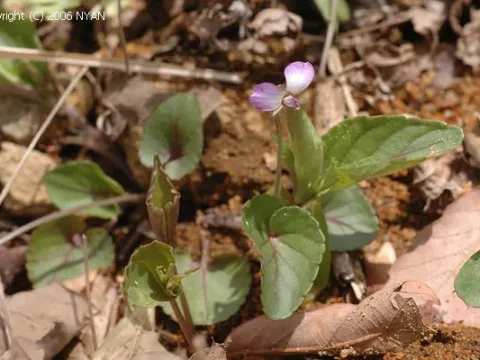
Viola ovato-oblonga
Viola ovato-oblonga
Viola ovato-oblonga is a herbaceous plant belonging to the Violaceae family. Its cultivation begins with proper seed preparation and timely sowing procedures.
What the section contains
Viola ovato-oblonga
Sowing in autumn is the preferred method for outdoor planting, as it allows for natural stratification during the winter months, improving germination rates.
Indoor sowing can be performed in late winter using shallow trays filled with a sterile, well-draining seed-starting mix to prevent damping-off disease.
Seedlings should be moved to individual pots once they reach the two-leaf stage, ensuring they have enough space to establish a strong root system before transplantation.
Hardening off the plants is a crucial step that must be completed over a period of 7 to 10 days before introducing them to the permanent garden bed.
This species thrives in locations with partial shade, ideally where the morning sun is available but the afternoon heat is mitigated by surrounding vegetation.
Soil requirements include high organic content, good aeration, and a slightly acidic to neutral pH level for optimal nutrient uptake.
While moisture is essential, the soil must never remain waterlogged, as the species is prone to root rot under conditions of poor drainage or overwatering.
Mulching around the base of the plant helps maintain soil temperature stability and preserves moisture during hot summer weather conditions.
Regular maintenance involves light pruning of spent blossoms to encourage secondary blooming throughout the growing season.
Common health issues for this violet include powdery mildew, which manifests as a white, powdery coating on leaves and stems in humid conditions.
Pests such as aphids and spider mites are frequent invaders that target the tender tissue of the foliage, potentially stunting the plant's growth.
Slugs and snails can cause significant aesthetic damage by consuming leaves, especially during rainy weather when the plant is most vulnerable.
To mitigate threats, gardeners should implement integrated pest management techniques, prioritizing physical removal and biological control methods.
Maintaining adequate space between plants improves airflow, which is a critical preventative measure against the rapid spread of fungal spores.