
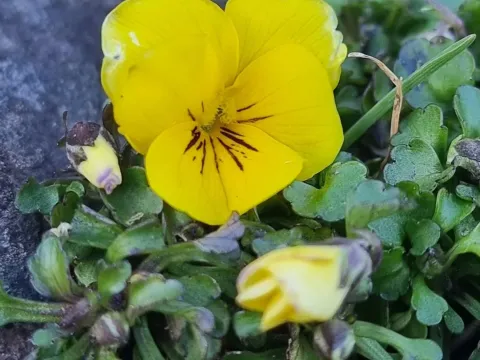
Viola paradoxa
Viola paradoxa
Viola paradoxa is a perennial herbaceous plant belonging to the Violaceae family. It is recognized for its unique botanical traits that differentiate it from more common members of the genus Viola. The plant is typically found in specific geographical regions and is considered a rare botanical specimen.
What the section contains
Viola paradoxa
The habitat requirements for this species are quite precise. It thrives in shaded forest environments, often preferring the cool, moist conditions of understory zones. These areas provide the necessary protection from direct sunlight and excessive heat, which are detrimental to the plant's growth cycles.
Soil conditions should ideally feature well-drained, nutrient-rich organic layers. A neutral or slightly acidic pH balance is preferred, reflecting the natural forest floor conditions where leaf litter provides a steady supply of nutrients and helps maintain consistent soil moisture levels.
The climate for Viola paradoxa must be temperate and stable. The plant is adapted to survive cold winters, relying on snow cover for insulation against extreme freezing. During the active growing season, moderate rainfall is essential to support its biological development and flowering.
While this plant is not cultivated for agricultural or industrial purposes, it holds significant interest for conservationists and botanical researchers. Efforts to study its growth requirements are primarily focused on preserving biodiversity and understanding the ecological role of rare forest flora in fragile ecosystems.