
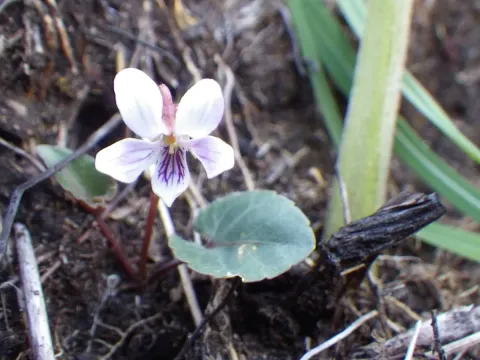
Viola sieboldii
Viola sieboldii
Sowing of Viola sieboldii seeds is most effective when performed in the autumn, allowing the seeds to undergo natural stratification throughout the winter months.
What the section contains
Viola sieboldii
For spring sowing, it is essential to stratify the seeds in a refrigerator at temperatures between +2 and +5 degrees Celsius for at least four weeks before planting.
The planting substrate must be well-draining and light, preferably a mix of peat, compost, and coarse sand to ensure optimal moisture retention without waterlogging.
Seeds should be covered with a very thin layer of fine soil or vermiculite, as light exposure is often beneficial for achieving a high percentage of germination.
After germination, maintain a consistent environment with moderate light and protection from extreme temperatures to support the development of sturdy seedlings.
Viola sieboldii, belonging to the Violaceae family, is a perennial plant native to East Asia, known for its delicate growth habit and aesthetic appeal.
The plant thrives in partial shade, mimicking its natural woodland habitat where the soil remains cool and moist throughout the growing season.
Soil requirements focus on high organic content and a slightly acidic to neutral pH, which supports robust root structure and nutrient absorption.
Consistent watering is crucial for the health of Viola sieboldii, as the species is sensitive to drought and will quickly show signs of stress if deprived of water.
During the dormant winter phase, providing a mulch layer or light organic cover can protect the crowns from freezing temperatures and ensure vigorous growth in spring.
Common pests include spider mites and aphids, which are particularly problematic during dry spells and can significantly weaken the plant if left untreated.
Powdery mildew is a prevalent fungal disease that typically manifests as white patches on the foliage, often triggered by high humidity and poor air circulation.
Root rot is a major risk in heavier soils where water drainage is insufficient, leading to the rapid decay of the crown and secondary root systems.
Integrated pest management, including regular inspection and the use of insecticidal soaps, is highly recommended for maintaining the vigor of the plant.
To reduce disease pressure, it is advised to avoid overhead watering and to remove any withered or infected foliage immediately to prevent the spread of spores.