
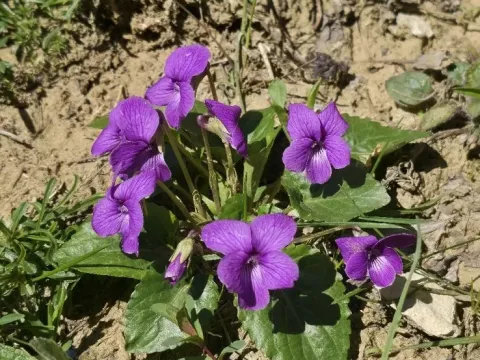
Viola somchetica
Viola somchetica
Viola somchetica is a perennial herbaceous plant belonging to the Violaceae family. Originating from the mountainous regions of the Caucasus, this species has evolved to thrive in high-altitude environments with rocky, nutrient-drained substrates.
What the section contains
Viola somchetica
The plant requires well-drained, slightly acidic to neutral soil. In garden cultivation, it is essential to replicate its natural habitat by using a substrate rich in grit or small stones to prevent moisture retention, which is the primary cause of root failure.
In terms of climate, Viola somchetica prefers cool, humid environments with indirect sunlight. Exposure to intense midday heat can stress the plant, necessitating partial shade during the hottest months of the year in non-alpine landscapes.
Cultural techniques for this species focus on minimal soil disturbance and careful management of moisture. Mulching with stone chips is highly recommended, as it protects the crown of the plant from excess humidity and creates a stable root environment.
Historically and economically, this species is used solely in the ornamental sector. It is considered a specialty plant for alpine gardens and rockeries, prized by enthusiasts for its unique aesthetic value and the challenge associated with maintaining rare Caucasian flora.
Fungal diseases, specifically root rot, pose the most significant threat to Viola somchetica. These conditions are typically induced by over-watering or poor soil drainage, necessitating a strict adherence to irrigation schedules.
Spider mites are common pests that thrive during hot and dry spells. They can cause leaf discoloration and weaken the plant, making it necessary to monitor the undersides of the foliage regularly during the summer season.
Leaf spots caused by various pathogens may appear if the air circulation around the plant is insufficient. Providing adequate spacing between plants and ensuring good ventilation is a vital prophylactic measure for maintaining health.
Root-knot nematodes can also be a significant issue in contaminated soils. It is advisable to use sterilized potting mixes or well-draining mineral substrates to avoid the introduction of soil-borne pests to the root system.
Chemical treatments should be used sparingly as the plant is sensitive to synthetic inputs. Integrated pest management, emphasizing cultural practices over broad-spectrum pesticides, is the preferred strategy for maintaining this delicate alpine species.