
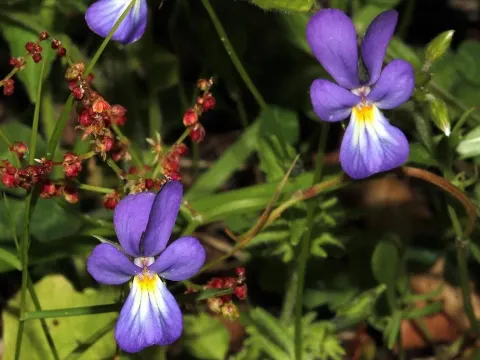
Viola orphanidis
Viola orphanidis
Sowing seeds of Viola orphanidis is best performed in early spring or autumn to provide the necessary cool period for germination.
What the section contains
Viola orphanidis
The seeds should be sown on the surface of a light, well-draining substrate, as they require light to germinate effectively and shouldn't be buried deep.
A cold stratification process for approximately three weeks prior to sowing is highly recommended to ensure uniform and high-percentage germination.
Once seedlings have developed their second set of true leaves, they should be transplanted into individual containers to develop a robust root system.
Maintaining a consistent humidity level during the initial germination phase is critical, though overwatering should be strictly avoided.
Viola orphanidis, a member of the Violaceae family, originates from the mountainous regions of the Balkans, where it thrives in rocky, temperate environments.
The plant requires a planting site that receives partial shade, particularly avoiding the intense midday sun which can stress the foliage.
Soil quality is paramount; it should be rich in organic matter and maintain a slightly acidic to neutral pH for optimal nutrient uptake.
The species demonstrates a preference for temperate climates and needs well-aerated soil to prevent the suffocation of its delicate root structure.
Regular mulching around the base of the plant can help maintain soil moisture and protect roots from sudden temperature fluctuations during the season.
The primary threats to this species include fungal infections such as powdery mildew, which often develop due to poor air circulation around the foliage.
Root rot is a major risk factor if the plant is grown in compacted, waterlogged soil, making proper drainage the most important preventive measure.
Pests like slugs and snails are frequently attracted to the succulent foliage of the violet, requiring vigilant monitoring and manual removal.
Aphids may infest the plant tips during periods of rapid growth, necessitating the use of mild, organic insecticidal soaps to protect the blooms.
To reduce disease pressure, gardeners should ensure that spent flowers are removed regularly to prevent fungal decay spreading from dying petals.