
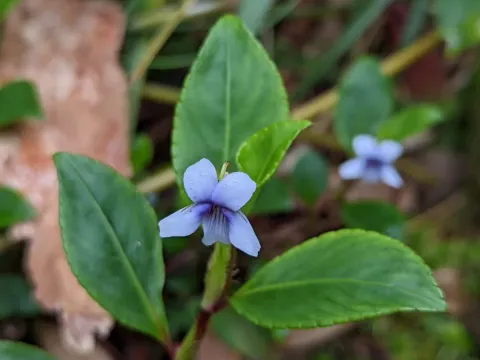
Viola stipularis
Viola stipularis
Viola stipularis is a member of the Violaceae family. It is a perennial herbaceous plant naturally distributed across the tropical mountain regions of Central and South America, particularly thriving in the Andean ecosystems.
What the section contains
Viola stipularis
The plant favors a moderately humid tropical forest environment. It is well-adapted to high atmospheric humidity and thrives in shaded areas, away from the direct exposure of harsh midday tropical sun.
Regarding soil requirements, this species demands loose, well-draining substrates rich in organic matter. It prefers slightly acidic to neutral pH levels, reflecting the typical composition of forest floor soils in its native habitat.
Botanically, the species is identified by its prominent stipules, which define its specific epithet. The stems often exhibit a creeping growth habit, allowing the plant to spread effectively through vegetative propagation in moist conditions.
In terms of utilization, the plant serves as a significant ornamental species for tropical garden design and is studied for its place in regional biodiversity, contributing to the botanical knowledge of the Andes.
The primary threats to the healthy development of Viola stipularis involve fungal infections resulting from waterlogging in the root zone or poor soil aeration.
Excessive humidity can trigger outbreaks of powdery mildew or root rot. To mitigate these risks, it is essential to ensure adequate soil drainage and consistent airflow around the foliage.
Common pests include spider mites and aphids, which typically inhabit the underside of the leaves, especially during periods of low environmental humidity or soil dryness.
Management of these pests should prioritize biological control agents and integrated pest management practices, given the plant's sensitivity to harsh synthetic chemical pesticides.
Effective prevention strategies include maintaining optimal nutrient levels, avoiding overcrowding in planting zones, and monitoring irrigation schedules to prevent moisture stress.