
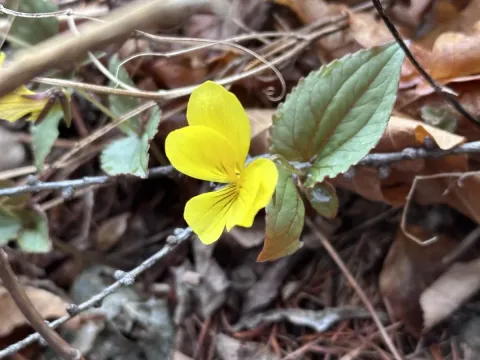
Viola orientalis
Viola orientalis
Sowing of Viola orientalis is typically performed by seeds directly into open ground during late autumn or early spring. Winter sowing allows seeds to undergo natural stratification, which promotes more uniform and robust germination as temperatures rise.
What the section contains
Viola orientalis
When starting indoors, seeds should be sown in February or March using trays filled with a light, nutrient-rich substrate. It is crucial to maintain moderate temperatures during germination, as excessive heat can hinder the development of young seedlings.
Seeds should be covered with no more than 0.5–1 centimeter of soil, as small seeds struggle to emerge from deep sowing depths. After sowing, the substrate surface should be gently moistened using a sprayer to avoid displacing the seeds.
Pricking out the seedlings should be performed once two true leaves have formed. The young plants should be carefully transferred to individual pots or larger containers, taking great care not to damage the delicate root system.
Transplanting to the permanent site in flower beds should occur when the weather is consistently warm. Proper spacing of 20–25 centimeters between plants is essential to ensure adequate airflow and prevent the development of fungal diseases.
Viola orientalis belongs to the Violaceae family and is a perennial herbaceous plant. In its natural habitat, it is found in the Far East, Korea, and Japan, typically preferring light deciduous forests and woodland edges.
The plant has moderate light requirements; it thrives best in semi-shaded locations where direct, intense sunlight does not scorch its delicate foliage during the midday hours. Excessive sun can lead to a shorter blooming period.
The soil for Viola orientalis must be loose, nutrient-dense, and well-drained. An optimal pH range from slightly acidic to neutral facilitates the most efficient uptake of minerals and nutrients from the earth.
This crop prefers consistent moisture but is highly sensitive to waterlogging around the root zone. Regular watering is necessary, especially during dry spells, though the soil must dry out slightly between waterings to ensure proper aeration.
Fertilization should involve complex mineral fertilizers with reduced nitrogen content to prevent excessive vegetative growth at the expense of floral production. Organic fertilizers may be added in limited amounts directly into the planting holes.
The primary threats to Viola orientalis are fungal diseases, such as powdery mildew and various types of leaf spot. These infections are encouraged by high air humidity and overcrowded planting conditions.
Among pests, spider mites and aphids pose the greatest danger as they extract sap from young shoots and flower buds. Severe infestations can significantly reduce the plant's aesthetic appeal and may lead to its death.
- Preventing powdery mildew through regular air circulation.
- Prompt removal of diseased or damaged plant parts.
- Application of biological pest control agents at the first signs of trouble.
- Strict adherence to spacing requirements during planting.
If pests are detected, the use of systemic insecticides, applied according to the manufacturer's instructions, is recommended. Preventive fungicide treatments at the start of the season can minimize the risk of fungal infections.
Regular inspection of the undersides of leaves is vital, as this is where pest colonies frequently congregate. Timely management allows the plant to remain healthy and extends its overall decorative phase throughout the season.