
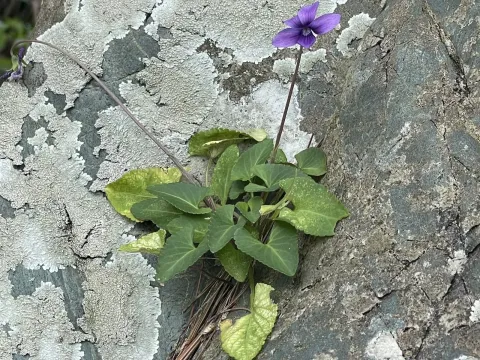
Viola stenocentra
Viola stenocentra
Viola stenocentra is a perennial herbaceous plant belonging to the Violaceae family. It is native to the mountainous regions of East Asia, primarily found in the alpine zones of Japan, where it has adapted to specific high-altitude microclimates.
What the section contains
Viola stenocentra
For successful cultivation, the plant requires cool environmental conditions. It thrives in partially shaded areas, as intense direct sunlight can lead to leaf scorch and heat stress, which inhibits the plant's natural growth cycle.
The soil must be light, humus-rich, and possess excellent drainage capabilities. Viola stenocentra prefers a slightly acidic to neutral pH level, which ensures optimal nutrient uptake from the substrate, supporting healthy leaf and flower production.
Water management is a critical component of its agronomy. The plant requires consistent moisture but is highly susceptible to root damage if the soil remains waterlogged. Proper drainage systems are essential to prevent root asphyxiation and decay.
General horticultural practices for this species include maintaining good air circulation around the plants and providing organic mulch to stabilize soil temperature and moisture levels, mimicking the natural alpine environment.
The primary diseases affecting Viola stenocentra are fungal infections. Powdery mildew is a common issue, particularly in humid environments with poor airflow, which can significantly damage the foliage and overall health of the plant.
Root rot, caused by various oomycetes or fungi, is a frequent cause of mortality. This condition is directly linked to overwatering or poorly drained soil, making water management the first line of defense against crop loss.
Spider mites represent a major pest threat, especially in hot and dry conditions. They feed on the underside of leaves, causing chlorosis and a decrease in photosynthetic efficiency, which eventually weakens the plant.
Gastropods, such as slugs and snails, are frequent pests in open-field cultivation. They feed on the soft tissue of the leaves and stems, necessitating the use of physical barriers or targeted molluscicides to protect the young growth.
Aphids can also infest the developing buds and succulent stems. Infestations lead to distorted growth and can vector viral diseases, making regular monitoring and appropriate insecticide application essential for effective pest control.