
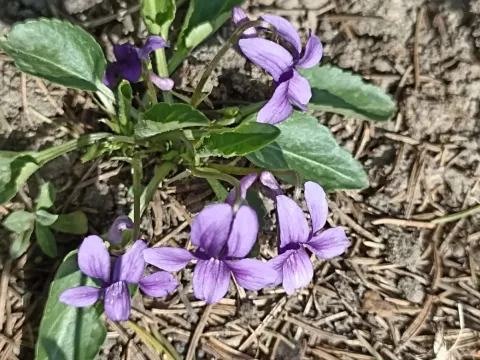
Viola prionantha
Viola prionantha
Viola prionantha is a perennial herbaceous plant belonging to the Violaceae family. Sowing is typically performed in the spring once soil temperatures reach 10–12 degrees Celsius, or via late autumn planting for early spring germination.
What the section contains
Viola prionantha
For improved germination rates, cold stratification of seeds is often recommended. Seeds should be sown at a depth of 0.5–1 cm, ensuring adequate soil moisture and contact to facilitate consistent seedling emergence.
When using a greenhouse for seedling production, sowing is initiated in early spring. Seedlings are transplanted once they develop their first set of true leaves, which encourages the development of a strong and healthy root system.
The optimal planting density in open fields is 20x20 cm. This spacing ensures that each plant receives sufficient nutrients and light, which is crucial for the development of the leaf rosette and subsequent flower production.
Timely sowing allows the crop to establish a robust root system before the onset of extreme summer heat, which is vital for the plant's overall health and the accumulation of secondary metabolites.
This species thrives in well-lit areas with partial shade during the peak heat of the day. Naturally found in East Asia, it prefers fertile, moist environments such as meadows and forest edges.
Soil requirements include high organic matter content and a neutral or slightly acidic pH level. Proper drainage is essential, as waterlogged conditions can lead to root rot and other physiological stressors for the plant.
Viola prionantha is moderately cold-hardy, capable of surviving harsh winters when dormant. However, it requires protection or careful management during early spring to prevent damage from sudden temperature drops after growth begins.
Regular irrigation is necessary throughout the growing season, particularly in periods of low rainfall. Sufficient moisture is the key factor in maintaining the vigor of the plant and ensuring a consistent yield.
Agricultural maintenance involves regular weeding and soil cultivation to promote aeration. Keeping the area free of weeds reduces competition for water and nutrients, leading to healthier and more productive plants.
The main purpose of cultivating Viola prionantha is to harvest its aerial parts for medicinal use. Under optimal conditions and proper agricultural management, the dry yield can reach 1.5–2 tons per hectare.
The harvest is conducted during the full bloom phase, which corresponds to the peak concentration of bioactive compounds. Strict adherence to the harvest schedule is necessary to ensure the highest medicinal quality.
Multiple harvests within a single season may be possible under favorable conditions. Following the first harvest, supplemental irrigation and fertilization can stimulate a new flush of growth in the plant rosette.
The productive lifespan of a Viola prionantha plantation typically spans 3 to 4 years. Afterward, natural thinning and decreased vigor indicate that the area should be replanted to maintain stable productivity.
Quality control during the yield phase is essential. Monitoring for plant uniformity and ensuring the absence of contaminants is part of the standard production process for high-quality herbal raw materials.
Common diseases affecting this crop include fungal infections such as powdery mildew and various leaf spot diseases, which often thrive in conditions of high humidity and poor air circulation.
Pests that pose a threat include slugs, which can consume large amounts of leaf tissue, and aphids, which stress the plant by sap-feeding and can potentially spread viral diseases among the crop.
Integrated pest management, including regular crop inspection and the use of biological control agents, is recommended to manage populations without relying solely on chemical treatments that may affect quality.
Good agricultural practices, such as maintaining proper planting density and ensuring good soil drainage, significantly reduce the risk of disease outbreaks within the plantation.
Early detection of pest damage is crucial for effective intervention. Farmers are advised to maintain constant vigilance and implement localized treatments to prevent widespread infestation of the field.
Harvesting is performed by cutting the aerial parts of the plant at a height of 3–5 cm above the ground. Mechanized harvesters can be adjusted to achieve this precise cut, increasing efficiency.
The harvested material must be moved quickly to the drying facility. Prolonged exposure to moisture after cutting will lead to rapid deterioration of quality and the potential growth of mold.
Drying should take place in well-ventilated areas or controlled-climate dryers at temperatures not exceeding 40–45 degrees Celsius. This preserves the plant's chemical profile and natural color.
Once dried, the raw material is packed and stored in cool, dark, and dry conditions to prevent the degradation of volatile oils and other sensitive bioactive components.
Before shipment, every batch undergoes quality assurance testing to verify moisture content, purity, and active ingredient levels, ensuring it meets the required standards for pharmaceutical application.