
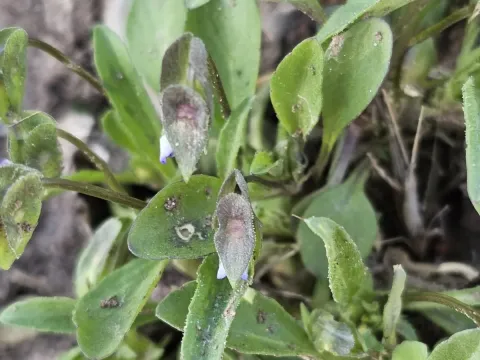
Viola occulta
Viola occulta
The sowing of Viola occulta seeds is best performed in the autumn to allow for natural cold stratification. This timing ensures higher germination rates once spring temperatures begin to rise.
What the section contains
Viola occulta
For greenhouse or indoor production, sowing should begin in late February. Using a sterile, well-draining seed-starting mix is essential to prevent common seedling diseases like damping-off.
Seeds should be covered with a very thin layer of substrate, as they require some light exposure to germinate effectively. Maintaining consistent moisture during the germination phase is critical.
Covering the trays with clear plastic or glass helps to preserve humidity levels. However, daily removal of the cover for ventilation is necessary to ensure adequate airflow.
Transplanting seedlings to individual pots should occur when the first true leaves have fully developed. Handled with care, these young plants establish themselves rapidly in proper conditions.
Viola occulta belongs to the Violaceae family and prefers environmental conditions that mimic its native habitat. It thrives in locations that provide partial shade rather than direct, intense sunlight.
Well-drained soil with a slightly acidic to neutral pH is ideal for this crop. Excessive moisture retention in the soil can be detrimental to the health of the plant's root system.
Temperature management is key; the crop performs best in cooler climates with temperatures ranging between +15°C and +21°C. Extreme heat often leads to dormancy or plant decline.
Regular fertilization with a balanced, slow-release fertilizer supports consistent growth throughout the season. Micronutrients are essential to prevent leaf chlorosis and promote healthy plant structure.
Proper spacing between plants is required to allow for adequate air circulation. This practice significantly reduces the risk of fungal infections within the crop canopy.
Fungal diseases such as powdery mildew represent a significant threat to Viola occulta. High humidity and poor ventilation are primary factors that promote the spread of this pathogen.
Pests such as aphids and spider mites can cause considerable damage by feeding on plant sap. These pests are particularly active during warmer, drier periods of the growing season.
Root rot, caused by over-watering and poor drainage, is a common issue that can quickly kill mature plants. Adjusting the irrigation frequency is the most effective way to prevent this.
Integrated pest management (IPM) strategies, including biological controls and selective use of pesticides, are recommended. Always follow label instructions to minimize chemical impact.
Proactive monitoring of the crop helps in identifying infestations or symptoms of disease early on. Quick removal of affected plant parts can prevent the need for broad-spectrum chemical treatments.