
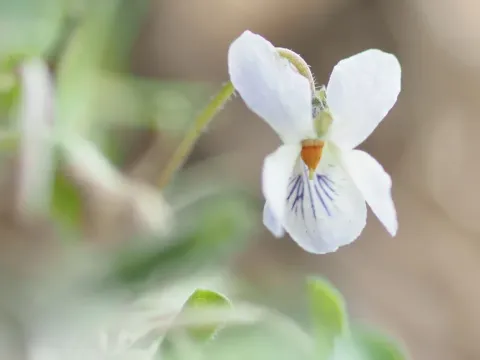
Viola nipponica
Viola nipponica
Sowing seeds of Viola nipponica is most successful when performed in late autumn, allowing for a natural period of cold stratification before spring germination. For controlled environments, indoor sowing in seed trays is feasible, keeping the temperature around 15–18 degrees Celsius to support steady growth.
What the section contains
Viola nipponica
The ideal germination medium is a loose, well-draining mixture of peat, leaf mold, and sharp sand. Seeds should be sown on the surface and barely covered with a thin layer of substrate, as light is beneficial for their development and early growth phases.
Vegetative propagation via division is another reliable method, best performed in early spring as the plant emerges from dormancy or in late summer once flowering concludes. Carefully separating the root clumps allows for healthy new specimens to be established in different areas of the garden.
When transplanting into the garden, spacing of 15 to 20 centimeters is recommended to allow each plant sufficient room to spread. Higher densities are effective for ground cover applications, while wider spacing works better when mixing the violets with other ornamental perennials.
Maintaining consistent moisture in the root zone is critical during the establishment phase. After planting, regular watering is essential until the roots have fully expanded, although the soil should never become waterlogged, as this leads to root decay and overall plant stress.
Viola nipponica, a member of the Violaceae family, thrives in partial shade or dappled light settings. Direct, intense sunlight can scorch the foliage and shorten the plant's blooming duration, making sheltered garden corners the perfect habitat for this species.
Rich, moist, and well-draining soil with a neutral to slightly acidic pH is required for optimal performance. Adding organic compost during soil preparation enhances fertility and water retention, which are vital factors for the healthy development of this perennial.
While the species is hardy, protecting it during severe winter conditions with a layer of leaf mulch is advisable in colder regions. This mulch helps maintain consistent soil temperatures and protects the crown of the plant from freeze-thaw cycles that can heave roots out of the soil.
Fertilization should be handled with care; a balanced, slow-release fertilizer applied in early spring is sufficient. Avoid high-nitrogen feeds, which encourage lush leaf growth at the expense of floral display and may make the plant more susceptible to fungal pathogens.
Regular maintenance, such as deadheading spent flowers, encourages the plant to direct its energy towards vegetative growth and can occasionally lead to a second, smaller wave of blossoms. Keeping the garden bed free of debris also helps maintain a clean environment for the plants.
Slugs and snails are the most significant pests for Viola nipponica, particularly in damp, shady garden areas. Employing physical barriers or non-toxic baits is often necessary to prevent significant damage to the delicate leaves and flower buds during wet spring months.
Powdery mildew is a common fungal threat when air circulation is poor or humidity levels remain high for extended periods. Pruning surrounding vegetation to improve airflow and avoiding overhead watering can effectively mitigate the risk of this unsightly infection.
Root rot is a common outcome of poor drainage, occurring when water remains stagnant around the roots for too long. If signs of wilting appear despite adequate moisture, it is crucial to inspect the soil drainage and potentially transplant the affected specimens to a better location.
Aphids can occasionally cluster on the underside of leaves during warm, dry weather. While usually not fatal to a healthy plant, persistent infestations should be managed with insecticidal soaps or neem oil treatments to prevent the transmission of potential viral infections.
Root-knot nematodes may also pose a risk in some soils, causing stunted growth and poor vitality. Rotating planting sites or replacing soil in specific spots can help avoid long-term buildup of these soil-borne pests, ensuring the longevity of your violet collection.