
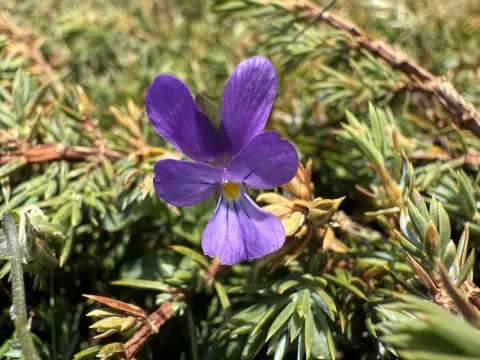
Viola montcaunica
Viola montcaunica
Viola montcaunica is a perennial herbaceous plant belonging to the Violaceae family. It is a rare endemic species primarily found in the mountainous regions of Spain, specifically adapted to high-altitude ecosystems and challenging environmental conditions.
What the section contains
Viola montcaunica
In its natural habitat, the plant thrives on calcareous scree slopes and alpine meadows. These environments provide a unique combination of high sunlight exposure, excellent soil drainage, and mineral-rich substrates that are essential for the survival of this specific taxon.
Cultivation requirements for this species are demanding. It requires a substrate that mimics its natural high-calcium, well-draining soil. Providing adequate aeration to the root system is the most critical factor in preventing physiological stress and root death.
Botanically, Viola montcaunica features a compact growth habit, enabling it to withstand strong mountain winds and snow load. The foliage is often adapted to reduce moisture loss and protect the plant from high levels of ultraviolet radiation present at significant elevations.
The cultural use of this plant is largely restricted to scientific collections, botanical gardens, and specialized alpine rock gardens. Due to its status as a localized endemic, it is not used in commercial agriculture but serves as a vital component for biodiversity conservation.
Fungal pathogens, particularly root rot, pose the greatest threat to Viola montcaunica when grown in artificial conditions. Excessive moisture and poor drainage often lead to the rapid deterioration of the root crown, making disease prevention a top priority.
Garden pests such as slugs and snails are frequent threats to the delicate leaves during the spring growth phase. Their feeding activity can significantly impact the plant's vigor and reduce its ability to survive harsh winter conditions.
Insects like aphids may infest the flowering stems, leading to potential viral transmissions. Because the species is highly adapted to a niche environment, any additional stress from pest infestation significantly weakens the plant's systemic resilience.
Environmental fluctuations, such as unseasonably warm spells followed by sharp freezes, can disrupt the plant's metabolic rhythm. These stress factors often precede secondary infections, making the plant more vulnerable to common environmental hazards.
Effective management includes maintaining clean growing environments, using porous soil mixtures, and ensuring sufficient airflow. Integrated pest management should prioritize physical barriers and careful observation to minimize the need for chemical intervention.