
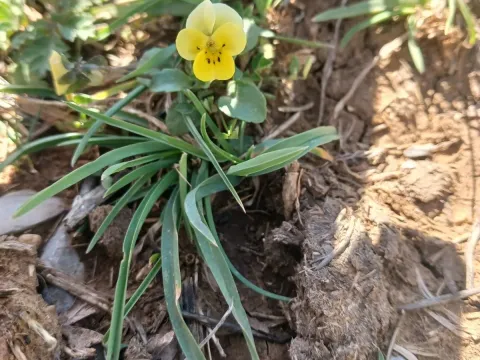
Viola modesta
Viola modesta
Viola modesta belongs to the Violaceae family and is recognized for its delicate morphology. Propagation is typically achieved through seeds, which are sown either in late autumn for natural cold-stratification or in early spring under controlled indoor conditions.
What the section contains
Viola modesta
When sowing in containers, seeds should be lightly covered with fine soil or vermiculite, as they require a minimal amount of light to trigger germination. Maintaining a consistent temperature between 15 and 18 degrees Celsius is essential for optimal success.
The germination period usually spans two to three weeks. Once the seedlings develop their first true leaves, they should be pricked out into larger containers to facilitate the development of a robust root system before transplanting.
Acclimatization to outdoor conditions should be done gradually over the course of a week to prevent transplant shock. Proper hardening off is a crucial step for the long-term vigor of the plants in the field.
Transplanting into the garden bed is performed once the soil warms up and all danger of frost has passed. Spacing is maintained at approximately 20–25 cm to ensure each plant receives adequate nutrition and light.
Viola modesta thrives in partial shade environments, which mimic its natural habitat. Direct afternoon sun can easily dehydrate the plants, so locating them in an area that receives morning light is ideal for their health.
The soil should be fertile, well-draining, and rich in humus to support continuous blooming. A slightly acidic to neutral pH is generally preferred, as it maximizes the availability of essential micronutrients for the plant.
Regular watering is necessary to keep the soil consistently moist but never waterlogged. During dry spells, supplemental irrigation is required to maintain the plant's metabolic activity and prevent wilting of the foliage.
Nutrient supplementation should be carried out using a balanced fertilizer during the growing season. A mild dose of liquid fertilizer applied every three weeks during the spring encourages vibrant blooms and strong plant structure.
In terms of climate, Viola modesta is moderately hardy but benefits from a protective layer of mulch during the colder months. This practice stabilizes soil temperature and protects the crown of the plant from winter damage.
Powdery mildew represents a primary fungal threat, particularly in environments with poor air circulation. It manifests as a fine white powder on the leaf surfaces, which can impede photosynthesis if left unaddressed.
Grey mold (Botrytis) can affect the plants in rainy weather or conditions of excessive humidity. Removing damaged foliage promptly is the most effective way to prevent the spread of the pathogen through the flower bed.
Pests such as aphids and spider mites are frequent invaders of succulent Viola foliage. Regular monitoring and the application of insecticidal soaps or neem oil are standard methods for managing these common garden pests.
Slugs and snails can cause rapid defoliation, particularly to young, tender plants. Installing physical barriers like copper tape or crushed eggshells can help discourage these mollusks from attacking the flower patch.
Maintaining a clean garden bed by removing debris and weeds is essential for pest prevention. Integrated pest management strategies should be applied to keep the population of harmful organisms below the economic threshold.