
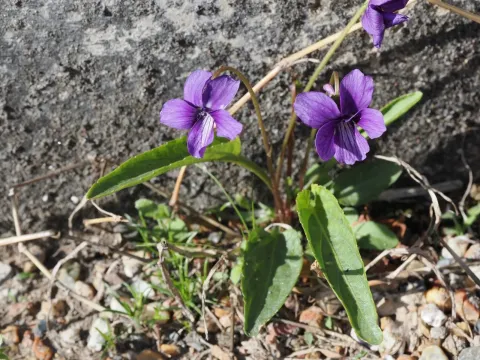
Viola mandshurica
Viola mandshurica
Viola mandshurica is a perennial herb belonging to the Violaceae family. Seeds are typically sown in the spring after the risk of frost has passed or in late autumn for winter sowing.
What the section contains
Viola mandshurica
The seeds require a cold stratification period to break dormancy, making autumn planting highly effective for uniform spring germination.
Seeds should be covered with a very thin layer of soil or sand, as they need light to germinate efficiently and are prone to rot if buried too deeply.
When grown for commercial purposes, using seedling trays under controlled conditions allows for a better survival rate and stronger initial plant development.
The spacing between plants should be maintained at 20–30 cm to allow for proper airflow and reduce the incidence of fungal pathogens within the canopy.
This crop thrives in moist, well-draining soils that are rich in organic matter, preferring a slightly acidic to neutral pH level.
Partial shade is the ideal environment for Viola mandshurica, as intense sunlight can cause leaf scorching and dehydrate the delicate root system.
Consistent soil moisture is essential; however, the crop is sensitive to waterlogging, which often leads to root death and increased susceptibility to diseases.
The plant is hardy but benefits from a layer of mulch during winter to protect the crown from extreme temperature fluctuations in colder climates.
Regular fertilization with balanced nutrients during the vegetative phase supports vigorous growth and increases the quantity of harvestable biomass.
The economic value of Viola mandshurica lies primarily in its use as a medicinal raw material, particularly in traditional East Asian practices.
Yields depend heavily on site management and harvest timing, with intensive farming methods providing a steady supply of high-quality aerial parts.
Harvesting is performed during the peak flowering stage, which ensures the highest concentration of phytochemicals such as flavonoids and plant sterols.
Post-harvest processing involves immediate drying in a shaded, ventilated area to lock in the medicinal properties and prevent microbial degradation.
Properly handled crops can yield multiple cuts if the plants are maintained correctly and provided with adequate nutrients after each harvest cycle.
Powdery mildew represents a major threat, particularly in humid environments where air circulation is restricted around the plants.
Root rot caused by Phytophthora species is common in heavy, poorly drained soils, requiring careful site selection and soil amendment.
Insects like aphids and spider mites can infest the foliage, leading to stunted growth and reduced overall quality of the harvested material.
Gastropods, such as slugs and snails, are particularly problematic for young plantings, necessitating vigilant monitoring during moist weather conditions.
- Regular weeding to reduce pest habitats.
- Integrated pest management using environmentally friendly pesticides.
- Ensuring proper plant spacing to improve ventilation.
The harvest of Viola mandshurica involves cutting the above-ground parts of the plant, usually done with specialized harvesting equipment or hand tools.
Precision in cutting height is crucial; avoiding damage to the crown ensures that the perennial plant can regrow for subsequent harvests in the following season.
Harvesting should ideally occur on dry mornings after the dew has evaporated, as moisture content significantly affects the drying time and raw material quality.
Once harvested, the material must be moved quickly to the processing area to avoid heat buildup, which can degrade the volatile compounds in the plant.
Post-harvest care includes removing debris, soil, and diseased tissue to meet the strict quality standards required for medicinal and pharmaceutical use.