
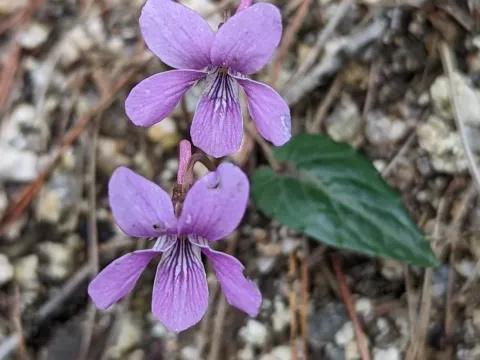
Viola makinoi
Viola makinoi
Viola makinoi seeds are best sown in late autumn, allowing them to undergo a natural cold stratification period. This cycle is essential to break seed dormancy and ensure uniform germination once spring temperatures arrive.
What the section contains
Viola makinoi
If sowing in trays, use a well-draining, sterile peat-based mix. Place seeds on the surface and cover with a fine layer of substrate, ensuring a consistent temperature of around 15–18°C during the initial germination phase.
Light is beneficial for the germination process of many viola species, so avoid burying the seeds too deeply. Keep the medium consistently moist but not waterlogged to prevent damping-off disease in young seedlings.
Once seedlings develop their first true leaves, carefully prick them out into individual pots. Handling must be minimal as the root system is delicate and prone to damage during transplanting.
Hardening off should occur over two weeks before moving plants to their permanent outdoor location. This ensures the young violets are sufficiently acclimated to the wind and temperature variations of their environment.
Viola makinoi is a charming perennial herb belonging to the Violaceae family, native to the forested areas of Japan. It thrives best when placed in conditions that mimic its natural woodland habitat.
The ideal soil for this species is rich in organic matter, slightly acidic, and possesses excellent drainage capabilities. Heavy clay soils should be amended with compost or coarse sand to prevent root rot.
This plant prefers partial shade or dappled light conditions. While it requires moisture, it does not tolerate stagnant water, so site selection should prioritize raised areas or spots with good natural water runoff.
Maintenance involves keeping the soil evenly moist during the active growing season. Applying a thin layer of organic mulch around the plant base helps retain moisture and keeps the roots cool during peak summer heat.
In terms of climate, Viola makinoi is hardy but benefits from a winter protective cover of leaves or straw in colder regions. This protection prevents frost heaving and damage to the root crowns during the dormant period.
Slugs and snails are the most frequent pests, often causing significant damage to the lush foliage of the plants. Using physical barriers or copper tape around garden beds can effectively deter these mollusks.
Fungal diseases, such as powdery mildew or gray mold, can emerge if humidity levels are high and air circulation is poor. Ensure adequate spacing between plants to reduce the risk of infection spread.
Root rot is a major physiological threat often caused by overwatering or compacted soil conditions. If the soil remains saturated, the plant roots will quickly succumb to anaerobic bacteria and die.
Aphids can occasionally infest flower buds, stunting growth and affecting ornamental quality. Regularly inspecting the plants and washing off minor infestations with a gentle water spray can often suffice.
Maintaining a clean garden environment by removing dead plant debris prevents the buildup of pathogens. Healthy, well-fed plants are naturally more resilient against these common horticultural threats.