
Viola magellensis
Viola magellensis
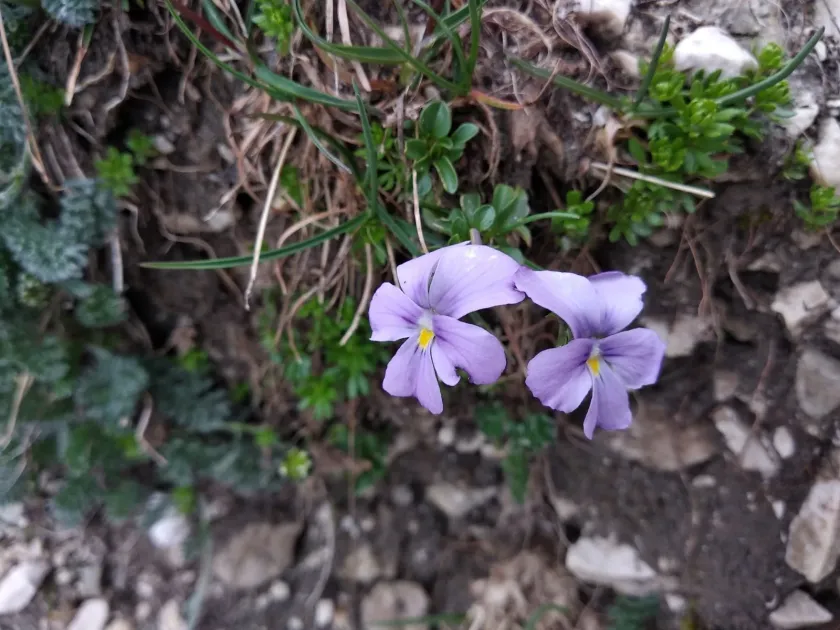
Description
Sowing dates
Sowing seeds of Viola magellensis in a horticultural setting is best performed in late winter or early spring. The seeds require stratification to enhance germination, so they are often sown outdoors in a cold frame during autumn or winter.
For successful germination, sow the seeds in a light, well-draining substrate rich in organic matter, ensuring it remains consistently moist. Place the seed trays in a sheltered spot away from direct sunlight at temperatures around 15–18 degrees Celsius.
Pricking out the seedlings should be done when two or three true leaves have developed. Careful handling of the root system is essential, as it is quite delicate and highly sensitive to mechanical damage during the transplanting process.
Transferring the seedlings to their permanent position in open ground should occur only after the risk of late spring frosts has passed. Maintain a spacing of at least 20–25 centimeters between plants to ensure adequate air circulation.
The plant is also capable of self-seeding under favorable environmental conditions, a trait often utilized in naturalistic garden designs to establish lush, carpet-like ground covers.
Growing requirements
Viola magellensis is an endemic alpine species belonging to the Violaceae family. It is a quintessential representative of the Apennine mountain flora, highly adapted to the harsh conditions of high-altitude environments.
This crop prefers a cool climate and does not tolerate prolonged exposure to high temperatures or drought. In a garden setting, it thrives in partial shade where it receives direct sunlight only during the milder morning or evening hours.
The soil must be loose, porous, and possess a neutral to slightly alkaline pH. A critical requirement is ensuring efficient drainage to prevent water accumulation around the roots, as excessive moisture leads to rapid plant decay.
During the active growing season, regular but moderate irrigation is required. In the heat of summer, mulching the root zone with fine gravel or stone chippings is recommended to maintain cool temperatures and soil moisture levels.
The plant exhibits high cold tolerance typical of high-mountain species and is capable of surviving harsh winters under a snow cover without the need for additional protective winter coverings.
Main diseases and pests
The primary threat to Viola magellensis in a garden environment is root rot, which typically stems from improperly composed soil or systematic water stagnation. Affected plants show rapid yellowing and eventual collapse.
Among insect pests, slugs and snails pose the greatest danger, as they actively consume the plant's delicate foliage and blooms during damp weather. Installing physical protective barriers around plantings is a recommended management strategy.
Under greenhouse conditions or when plants are crowded, there is a risk of powdery mildew infection. Preventive measures include maintaining strict spacing between plants and avoiding excessive nitrogen fertilization.
Aphids may infest the flower buds during the blooming period, extracting sap and suppressing the development of flower stalks. In such instances, mild biological insecticides or soapy water solutions are effective for control.
Maintaining a healthy garden environment requires timely sanitation by removing plant debris, which can harbor fungal spore clusters and provide overwintering sites for various garden pests.