
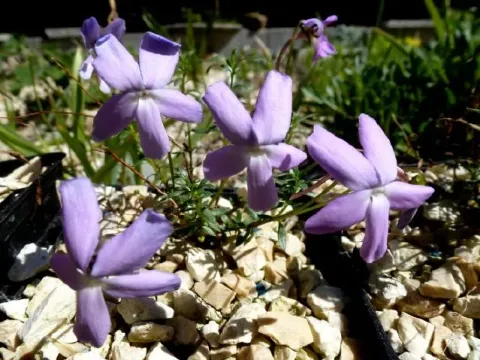
Viola kosaninii
Viola kosaninii
The seeds of Viola kosaninii require a cold stratification period to achieve successful germination, making autumn sowing the most natural and effective method.
What the section contains
Viola kosaninii
When sowing in containers, ensure the use of a well-draining, grit-heavy potting mix that prevents moisture accumulation around the seeds during the incubation period.
Sow seeds shallowly, covering them with a very thin layer of fine sand or vermiculite, and place the container in a cool, sheltered location protected from direct heat.
Once seedlings have reached the two-leaf stage, carefully prick them out into individual small pots, ensuring that the root system remains undisturbed.
Consistent, moderate moisture is crucial during the early stages of development, though the soil surface should be allowed to dry slightly between waterings to prevent damping-off.
Viola kosaninii is a distinctive member of the Violaceae family, natively adapted to the harsh, rocky limestone crevices of the Balkan mountain ranges.
This alpine species thrives in mineral-rich, neutral to slightly alkaline soils that provide excellent aeration and facilitate quick drainage of excess water.
In a garden setting, it is best placed in rock gardens or alpine troughs, where the microclimate mimics the cool, airy conditions of its native high-altitude habitat.
While it is fully hardy in temperate zones, the plant performs best when protected from extreme summer heat and intense, direct sunlight during the middle of the day.
Adequate air circulation is essential for maintaining a compact, healthy cushion and preventing the center of the plant from becoming overly damp or prone to rot.
The primary concern for growers of this species is fungal rot, which typically develops in stagnant conditions or poorly drained soil substrates.
Pests such as aphids and spider mites can occasionally damage the foliage, especially if the plant is stressed by prolonged periods of drought or excessive heat.
To prevent disease, avoid overhead watering, which can trap moisture in the dense growth habit and lead to sudden fungal outbreaks on the foliage.
Regular monitoring of the base of the plant is recommended, particularly during the transition between spring and summer when humidity levels fluctuate significantly.
Using preventive measures such as top-dressing the soil with fine gravel helps keep the foliage dry and creates a hostile environment for soil-borne pathogens.