
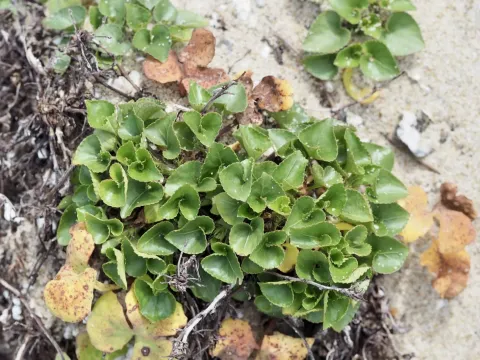
Gray's violet
Viola grayi
Gray's violet (Viola grayi) is a perennial herbaceous plant belonging to the Violaceae family. This species is a native endemic to Japan, typically found thriving in cool, moist forest environments and mountainous regions.
What the section contains
Gray's violet
The botanical characteristics of this culture include a compact growth habit and heart-shaped leaves that form a basal rosette. Its flowers follow the standard violet morphology with five petals, usually appearing in white or soft blue shades with distinctive dark veins in the center.
For successful cultivation of Viola grayi, shaded areas are required, as direct sunlight can easily scorch the delicate foliage. Ideally, planting sites should mimic the natural habitat, such as the dappled shade found under the canopy of trees or shrubs.
Soil requirements involve the use of loose, moderately moist, organic-rich substrates with a neutral to slightly acidic pH level. It is crucial to ensure good drainage to prevent waterlogging at the root collar, which can be detrimental to this species during the winter months.
Cultivation practices focus on maintaining consistent soil moisture and performing seasonal cleaning of the plant after snowmelt. As Viola grayi has moderate winter hardiness, light mulching with peat or fallen leaves is recommended in regions with harsh winters to protect the root system.
The main phytopathological threats to Gray's violet include fungal diseases such as powdery mildew and various types of root rot, which typically flourish in conditions of high humidity and poor ventilation.
Among pests, slugs and snails pose the greatest threat, as they frequently feed on the succulent young leaves during the spring season. Protection strategies include manual collection or the use of safe, physical barriers around the planting sites.
Aphids and spider mites may infest the plants when grown in protected environments or during periods of unusually dry, hot weather. If infestations occur, treatment with biological insecticides or insecticidal soaps is advised.
To prevent leaf spot diseases, avoid overhead irrigation and direct water specifically to the root zone. Proper spacing between plants ensures adequate air circulation, which significantly lowers the likelihood of disease outbreaks.
Regular monitoring of the plants allows for early detection of any health issues. Prompt removal and disposal of infected plant material are mandatory measures to stop the spread of pathogens to healthy specimens.