
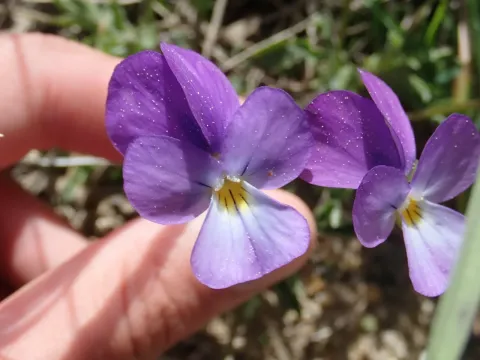
Graceful viola
Viola gracilis
Viola gracilis, commonly known as the graceful viola, is a charming perennial belonging to the Violaceae family, valued for its elegant, deeply colored flowers.
What the section contains
Graceful viola
In greenhouse production, sowing typically starts in late winter to ensure well-established plugs are ready for spring transplanting once the risk of frost passes.
When sowing directly into the field, late summer is preferred to allow the plants to develop a robust root system before the onset of the dormant season.
The seeds require light to germinate and should be sown on the surface of a fine, sterile seed-starting mix, then covered very lightly with fine vermiculite.
Maintaining a consistent temperature of around 18 to 20 degrees Celsius is crucial during the early stages of development until true leaves are fully formed.
This species thrives in locations with partial shade, particularly in regions with hot summers, to protect the foliage from heat stress and sunscald.
Well-drained, humus-rich soil is essential for optimal growth, as the root system is highly sensitive to waterlogged conditions that trigger root rot.
Irrigation should be managed to keep the soil consistently moist but never waterlogged, ensuring that water reaches the roots without wetting the canopy excessively.
Balanced fertilizers should be applied throughout the growing period, favoring phosphorus and potassium to enhance blooming intensity and flower longevity.
Spacing is critical to maintain good airflow, which is a key factor in preventing moisture-related pathogens from establishing themselves within the plant beds.
Powdery mildew is a prevalent issue for Viola gracilis, especially in environments with high humidity and insufficient air movement among the plants.
Root rot pathogens, such as Pythium, thrive in poorly drained substrates, necessitating strict water management and the use of well-structured growing media.
Aphids and spider mites are the most common pests that infest the plants, causing stunting and discoloration of the leaves if not treated early.
Slugs and snails can pose a serious threat to younger plants, requiring the use of bait or physical barriers to protect the tender foliage from being consumed.
Integrated pest management strategies, including the removal of dead flowers and infected foliage, are vital for maintaining the health and vigor of the flower crop.