
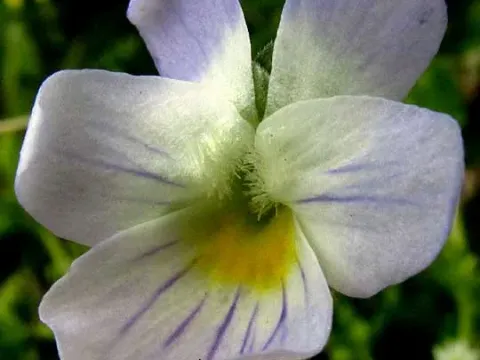
Field pansy
Viola bicolor
Field pansy (Viola bicolor), a member of the Violaceae family, is an annual herb known for its adaptability. The optimal sowing time is early spring, which allows the plant to establish itself before the arrival of the summer heat.
What the section contains
Field pansy
The seeds are small and should be sown at a shallow depth of approximately 0.5 to 1 cm. A light, well-draining soil medium is critical for achieving a high germination rate and ensuring that seedlings emerge uniformly across the field.
As a fast-growing species, Viola bicolor can quickly form a vegetative carpet. In agricultural settings, it often behaves as a hardy plant that competes well with native flora, making precision in seeding density a key factor for success.
Germination is most successful at temperatures between +15°C and +18°C. Providing consistent moisture during the first few weeks after sowing is essential for healthy root development and overall plant vigor.
When grown for commercial purposes, drilling in rows with 20–25 cm spacing is recommended. This layout facilitates mechanical weeding and allows for better air circulation, which reduces the risk of moisture-related diseases.
The field pansy thrives in open, sunny locations but exhibits high tolerance for partial shade. Exposure to sunlight is vital for the plant to achieve its full growth potential and to maintain the desired levels of phytochemical compounds.
Soil requirements include well-drained, sandy loam or loamy soils with a neutral pH. The plant is sensitive to waterlogging; therefore, selecting fields with good drainage or implementing raised beds is highly advised.
This species is well-adapted to temperate climates, showing significant resilience to late spring frosts. Its hardy nature makes it a reliable crop for northern regions where weather conditions can be unpredictable during the early growing season.
While the field pansy is not particularly demanding, supplemental irrigation is necessary during prolonged dry spells. Maintaining soil moisture during the peak flowering stage is critical to ensure high-quality biomass production.
Routine weeding and soil cultivation are essential during the early stages of growth to prevent competition. Keeping the area free from aggressive weeds allows the crop to utilize nutrients and space efficiently.
Powdery mildew is the most significant disease threat to Viola bicolor, especially when planting density is too high. Proper spacing and airflow are the primary methods for preventing this fungal infection in the field.
Root rot, often caused by Phytophthora species, is a common issue in poorly drained soils. Farmers should prioritize field selection and drainage improvement to mitigate the risks associated with this pathogen.
Aphids and spider mites are the main pests that affect pansy crops. These insects feed on the sap, causing leaf curling and reduced photosynthesis, which directly impacts the yield and quality of the medicinal harvest.
Integrated pest management (IPM) is the most effective approach for field pansies. This involves monitoring pest populations and using biological controls or targeted insecticides only when strictly necessary.
Crop rotation remains the most powerful tool for soil health management. By rotating field pansies with non-host crops, growers can disrupt the lifecycle of common soil-borne pathogens and pests.
Harvesting should coincide with the plant's peak flowering stage. During this time, the concentration of active medicinal components, including flavonoids and mucilage, is at its highest point for extraction.
Plants are harvested by cutting the stems just above the ground level. Using mechanical harvesters on larger plots is efficient, though care must be taken to minimize debris collection and physical damage to the plant material.
Post-harvest management requires immediate drying to prevent the degradation of heat-sensitive compounds. Freshly cut material should not be left in piles, as internal heat buildup can rapidly spoil the harvest.
Drying is best achieved in shaded, well-ventilated areas or in temperature-controlled drying sheds. A maximum temperature of +40°C is recommended to preserve the color and chemical integrity of the dried herbs.
Once dried, the product should be stored in moisture-proof containers in a cool, dark environment. Proper storage ensures a long shelf life and maintains the herb's quality for market distribution.