
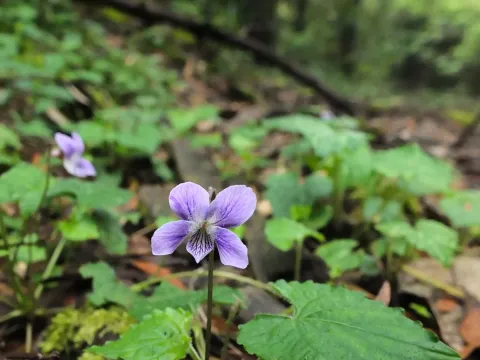
Hairy violet
Viola pilosa
Sowing seeds of Viola pilosa is most effective when performed in the autumn, allowing for natural stratification during the winter months, or in early spring under controlled indoor conditions.
What the section contains
Hairy violet
Seeds should be sown in a light, well-draining soil mix. A depth of 0.5 cm is ideal, as the seeds require slight coverage to retain moisture while benefiting from the surrounding substrate nutrition.
For greenhouse production, maintaining temperatures between 15°C and 18°C ensures consistent germination. Once the first true leaves develop, seedlings must be thinned or transplanted to prevent competition.
The substrate must remain consistently moist but not waterlogged. Using a spray bottle for initial watering helps maintain humidity without displacing the small seeds from their position in the soil.
Acclimatization to outdoor conditions should occur gradually over several days. Moving seedlings directly from a warm indoor environment to the garden can cause transplant shock and stunt growth.
The Hairy violet (Viola pilosa) is a member of the Violaceae family, recognized for its distinct pubescence on the foliage and stems, which provides a natural adaptation to its environment.
This species thrives in fertile, loamy soils that possess a neutral to slightly acidic pH. Incorporating organic matter, such as leaf mold or well-rotted compost, significantly improves soil structure.
The plant performs best in partially shaded locations, mimicking its native habitat in woodland margins or alpine meadows, where it is protected from intense, direct solar radiation.
Adequate soil moisture is critical; however, drainage is equally essential to prevent root rot. During periods of low rainfall, supplementary irrigation is necessary to maintain plant vigor.
Maintenance includes periodic fertilization with low-nitrogen, balanced fertilizers to encourage bloom production rather than excessive vegetative growth, ensuring the plant remains compact and healthy.
Powdery mildew represents a significant fungal threat to Viola pilosa, particularly in humid and poorly ventilated garden areas where moisture persists on the leaves for long periods.
Botrytis blight, or grey mold, can affect the plant during cool, wet seasons. Ensuring proper spacing between individual plants is the most effective cultural method to mitigate this risk.
Gastropod pests, including slugs and snails, are highly attracted to the soft foliage of the Hairy violet and can cause severe defoliation if left unmanaged during the growing season.
Spider mites can become problematic during warm, dry weather, causing the leaves to appear stippled and discolored. Regular misting and appropriate acaricides can help manage infestations.
Root rot, typically resulting from overwatering or poor drainage, requires immediate correction of soil conditions. If the infection is widespread, the affected plants must be removed to prevent pathogen spread.