
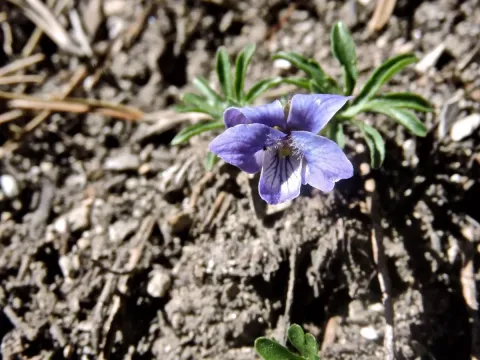
Feathered violet
Viola pinnata
Viola pinnata, commonly known as the feathered violet, is a perennial herbaceous plant belonging to the Violaceae family. It is distinct for its characteristic pinnate leaves, which differentiate it from the more common cordate-leaved species of the genus. The plant is naturally adapted to mountain environments and stony slopes.
What the section contains
Feathered violet
The crop thrives in well-lit areas with moderate soil moisture. It requires well-drained, fertile soil, ideally with a neutral to slightly alkaline pH level. The plant is highly cold-hardy, making it a reliable perennial for gardeners in temperate and mountainous regions across Eurasia.
Standard agronomic practices for this species include maintaining appropriate soil moisture levels and ensuring the area is free from aggressive weeds. The plant benefits from mineral fertilizer applications during the early vegetative stage. Avoiding waterlogged soil is crucial to prevent root rot in this species.
In terms of horticultural use, the feathered violet is highly valued for its aesthetic appeal in rock gardens and alpine designs. Its compact growth habit makes it an excellent candidate for edging and container gardening. Furthermore, the species has historical significance in traditional herbal practices.
Propagation is primarily achieved through seeds, which often require cold stratification to ensure uniform germination. Alternatively, division of established clumps can be performed during the dormant season to expand the planting area. With consistent care, the plant forms dense, attractive mats of foliage and blooms.
The primary health concerns for Viola pinnata include fungal diseases such as powdery mildew and gray mold. These issues typically occur in environments with poor air circulation and excessive humidity. Regular thinning of the plants and proper spacing help to mitigate the risk of infection significantly.
Pests that may impact the crop include aphids and spider mites, which feed on the plant's foliage. An integrated pest management approach, involving monitoring and targeted insecticide application, is recommended to protect the health of the plants throughout the growing season.