
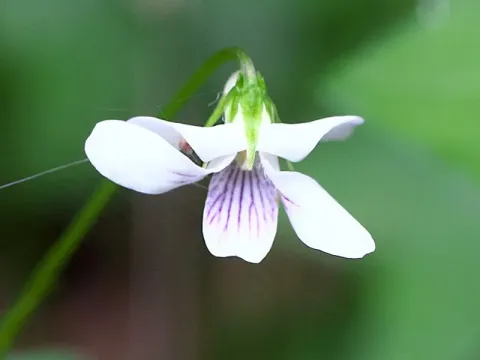
Hamilton's violet
Viola hamiltoniana
Hamilton's violet (Viola hamiltoniana) is a perennial herbaceous plant belonging to the Violaceae family. This species is characterized by specific ecological adaptations, making it a distinct subject of interest for both botanical research and professional horticultural practice in specialized environments.
What the section contains
Hamilton's violet
Originating from East Asia, this plant species naturally thrives in areas that provide consistent moisture and filtered light. Understanding its original habitat is crucial for agronomists who aim to replicate these conditions in a controlled or garden setting to ensure optimal vegetative growth.
The crop requires well-draining soil that is rich in organic matter. A neutral to slightly acidic soil profile is generally preferred, as this range allows the plant to efficiently uptake essential nutrients while maintaining the overall health and structural integrity of the root system.
Climatic requirements for Viola hamiltoniana focus on stability. The plant performs best in moderate temperatures, avoiding extreme heat or intense frosts. Adequate spacing between individual plants is necessary to promote airflow, which is essential for preventing common physiological stress factors.
In terms of хозяйственное (economic) use, this plant is primarily utilized as an ornamental species. Its subtle visual appeal makes it suitable for integration into botanical garden collections, shaded border planting schemes, and specialized nurseries focusing on rare and sensitive herbaceous perennials.
Fungal diseases constitute the primary threat to the health of Hamilton's violet, particularly when humidity levels remain high for extended periods. Root rot and powdery mildew are among the most frequent issues that require consistent vigilance and proactive management strategies.
Pest management should focus on mitigating infestations of aphids and spider mites, which can cause significant damage to the plant's foliage. These pests thrive under warm, dry conditions, making regular monitoring during the peak growing season an essential task for any grower.
Prevention is the cornerstone of protecting this culture. By ensuring proper drainage and avoiding overhead irrigation, growers can significantly reduce the incidence of moisture-related pathogens that often plague members of the Violaceae family in suboptimal conditions.
If chemical interventions become necessary, it is vital to select products that are gentle on the plant's delicate tissues. Integrated Pest Management (IPM) practices, including the use of biological controls, are highly recommended to maintain the long-term health of the crop and the soil environment.
Finally, maintaining a clean cultivation area by removing decaying plant matter is a simple yet effective method to minimize the risk of recurring infections. Consistent observation and maintenance routines are key to preventing large-scale outbreaks and ensuring the sustainability of the planting.