
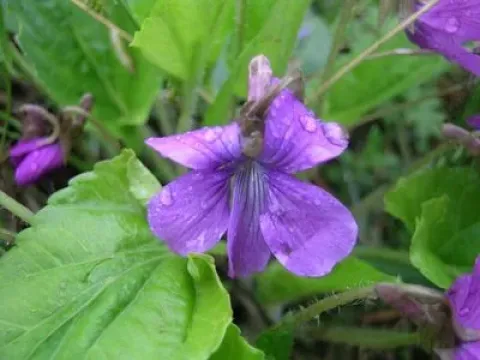
Hairy-petioled violet
Viola hirtipes
Sowing seeds of Viola hirtipes is best performed in late autumn to allow the seeds to experience natural stratification. This seasonal cooling cycle is essential for overcoming seed dormancy and ensuring uniform germination when temperatures rise in the early spring.
What the section contains
Hairy-petioled violet
If you prefer spring sowing, you must provide artificial stratification by placing the seeds in a moist medium inside a refrigerator at approximately +4 degrees Celsius for at least two months. This method mimics winter conditions and significantly increases the overall success rate of germination.
Seeds should be sown at a shallow depth of about 5 millimeters. Because they are tiny, it is often best to press them lightly into the surface of a fine, porous seed-starting mix rather than covering them with heavy soil, which can hinder the emergence of delicate shoots.
Maintaining consistent moisture in the seed tray is critical. Use a spray bottle for gentle watering to prevent dislodging the seeds or washing them away. A clear plastic cover can help maintain a humid environment until the first cotyledons appear, after which it should be removed.
Once the seedlings have developed two sets of true leaves, they can be pricked out and transplanted into individual pots or a nursery bed. Acclimatizing the young plants to outdoor conditions over the course of a week before final planting helps minimize transplant shock.
Viola hirtipes belongs to the Violaceae family and thrives in woodland environments with filtered light. It requires a rich, humus-based soil that remains consistently moist but not waterlogged. Adding organic matter, such as leaf mold or mature compost, mimics its natural forest floor habitat.
Regarding sunlight, this species performs best in semi-shaded areas. Direct, intense sunlight should be avoided, especially in the afternoon, as it can scorch the foliage and cause the plant to wilt. Ideally, the plants should receive morning sun followed by dappled shade for the remainder of the day.
This species is well-adapted to moderate temperatures and requires protection from extreme drought. Mulching with wood chips or organic debris is highly recommended, as it retains soil moisture, suppresses weeds, and keeps the root zone cool during the heat of the summer months.
While the plant is quite cold-hardy, a light layer of winter protection, such as pine needles or straw, can be beneficial in regions with harsh winters and low snow cover. This prevents the soil from heaving during freeze-thaw cycles, which could otherwise damage the shallow root systems.
Soil pH should be slightly acidic to neutral for optimal growth. If the local soil is too alkaline, adding peat or organic acidifiers can help create the preferred environment. Regular monitoring of the soil moisture is necessary to ensure the plants do not dry out during active growth.
Powdery mildew is a common fungal threat to Viola hirtipes, particularly in environments with high humidity and poor air circulation. To manage this, ensure adequate spacing between plants and avoid overhead watering late in the day, which keeps the foliage wet for extended periods overnight.
Slugs and snails are the most prominent pests, frequently causing significant damage to the soft, heart-shaped leaves of the violet. Implementing physical barriers such as copper tape or using non-toxic slug pellets can protect your plants from these nocturnal mollusks during damp weather.
Aphids may occasionally infest the plant, usually clustering on the tender undersides of leaves or near the developing flower buds. A gentle stream of water or the application of an insecticidal soap can effectively control these populations without harming the beneficial insects in your garden.
Root rot is typically an issue only when the drainage is insufficient. If you notice yellowing leaves or a general lack of vigor in your plants, inspect the soil drainage immediately. If the soil stays sodden, the plants may need to be moved to a more elevated or sandy patch.
Maintaining garden hygiene is vital for preventing the spread of diseases. Always clear away dead leaves and debris from the base of the plant in the autumn. Healthy cultivation practices, such as proper irrigation and regular monitoring, remain the best defense against pests and diseases.