
Faurie's violet
Viola faurieana
Description
Growing requirements
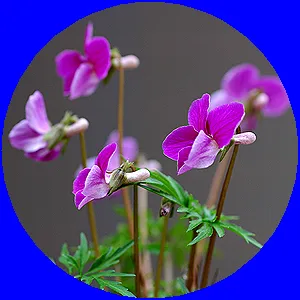
Faurie's violet (Viola faurieana) is a perennial herbaceous plant classified within the Violaceae family. Native to the mountainous terrains of the Korean Peninsula, this species is valued for its delicate ornamental properties and specific ecological requirements.
To cultivate Viola faurieana successfully, gardeners must provide a soil environment that mimics its natural habitat: moist, well-draining, and rich in organic matter. A slightly acidic to neutral pH level is ideal for the absorption of essential nutrients.
In terms of light exposure, the plant prefers partial shade or dappled sunlight. Direct exposure to intense midday sun can cause dehydration and leaf scorch, making the placement of the plant in a shaded area of the garden essential for health.
Water management is a cornerstone of the plant's agrotechnology. The soil should remain consistently moist but never waterlogged. Incorporating organic mulch, such as pine needles or compost, helps maintain moisture levels and protects the roots from thermal stress.
Propagation is typically carried out through seeds or careful division of mature clumps during the early spring season. Proper spacing is necessary to ensure adequate air circulation, which helps maintain the vigor of the violet colonies over time.
Main diseases and pests
The primary threats to Viola faurieana include fungal diseases such as powdery mildew and root rot. These conditions are usually triggered by poor ventilation and excessive moisture accumulation in the soil, requiring immediate attention.
Insect pests such as spider mites and aphids are frequently observed on this species, particularly during dry spells. These pests tend to congregate on the undersides of leaves, making regular monitoring of the foliage a critical practice.
Effective management involves a combination of manual removal and the application of targeted horticultural soaps or systemic pesticides when infestations reach economic thresholds. Avoiding water contact with foliage can also reduce the risk of secondary infections.
Snails and slugs can cause significant damage to the plant's tender foliage during rainy weather. Utilizing physical barriers like copper tape or crushed eggshells can provide a sustainable way to protect the violet from these common garden pests.
The overall health of the violet is largely determined by maintaining a clean growing area and performing regular checks for disease symptoms. A healthy plant will exhibit robust growth and consistent flowering throughout its active growing season.