
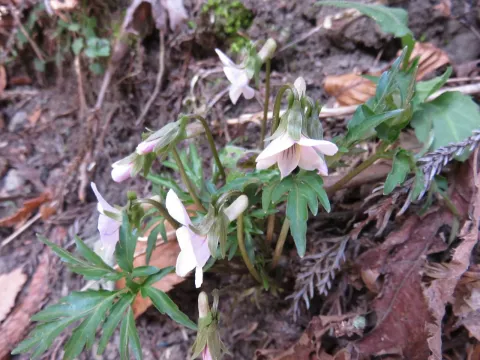
Eizan violet
Viola eizanensis
Eizan violet (Viola eizanensis) belongs to the Violaceae family and is a distinctive perennial native to Japan. It is highly valued in horticulture for its unique, fern-like foliage and delicate floral display.
What the section contains
Eizan violet
The plant thrives in woodland-style conditions, requiring partial shade or dappled sunlight to prevent leaf scorch. It is an excellent choice for rock gardens or shaded borders where environmental conditions mimic its natural habitat.
Soil structure should be moisture-retentive yet well-draining, rich in leaf mold or decomposed organic matter. Proper aeration is crucial for the development of healthy roots and preventing collar rot during damp winters.
The plant demonstrates botanical elegance through its deeply divided leaf blades. During the spring bloom, it produces elegant flowers that add a subtle, naturalistic beauty to the garden landscape.
Maintenance involves providing consistent hydration throughout the growing season. While it is hardy in many climates, it benefits from a layer of organic mulch to protect the roots from extreme heat or sudden frost fluctuations.
The most common disease threat for Viola eizanensis is fungal blight caused by stagnant air and excessive moisture. Improving air circulation by thinning out nearby vegetation is the primary preventative measure.
Powdery mildew may occur if the plant is subjected to poor light and improper irrigation practices. Fungicidal sprays specifically designed for ornamental plants are usually effective if applied at the first sign of white spots.
Slugs and snails are the most persistent pests for this species. They find the tender foliage highly attractive and can cause significant damage in short periods, especially during rainy, humid weather.
Aphids can occasionally colonize the flower buds, causing malformation. Management involves using gentle soap-based insecticides, which are safe for the plant and do not harm beneficial garden insects.
Routine monitoring of the planting site is essential for long-term success. Early detection of any anomalies allows for quick intervention, ensuring that the Eizan violet remains a healthy part of the garden collection.