
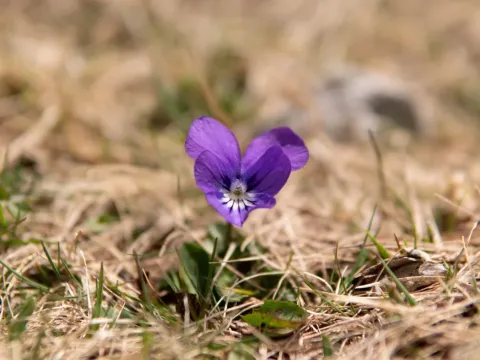
Alpine violet
Viola alpina
Alpine violet seeds typically require a cold stratification process to achieve high germination rates, mimicking the natural conditions of their native habitat. Sowing in late autumn allows the seeds to overwinter in the soil, effectively breaking dormancy naturally before the spring warmth.
What the section contains
Alpine violet
When sowing in controlled environments, seeds should be sown on the surface of a well-draining, sterile potting mix. Because they require light to germinate, the seeds should not be buried deeply but rather lightly dusted with fine vermiculite to maintain moisture while allowing light penetration.
Temperature management is crucial, with an ideal range of 15 to 18 degrees Celsius for germination. Once the seedlings emerge, it is important to provide sufficient ambient light to prevent etiolation, ensuring the development of sturdy, compact growth from the very beginning.
Transplanting or pricking out should be done at the two-leaf stage into individual containers to allow for root development. This process ensures that each plant establishes a strong root system before being hardened off and transferred to its permanent outdoor location.
Acclimatization of the seedlings before final planting is essential for the survival and long-term health of the Alpine violet. Gradually exposing the plants to outdoor temperature fluctuations over a period of two weeks helps them adapt to environmental stresses, leading to better establishment.
Belonging to the Violaceae family, the Alpine violet (Viola alpina) is a high-altitude specialist that prefers cool climates. It thrives in locations that provide plenty of sunlight but require protection from the intense heat of midday, which can damage its delicate root system.
The soil profile must be well-drained, gritty, and moderately fertile with a neutral to slightly acidic pH. Incorporating organic matter into the soil helps retain necessary moisture without risking the waterlogged conditions that can cause fatal root rot in this species.
Regular watering is necessary, especially during the active growing season, to maintain consistent soil moisture. However, the top layer of the soil should be allowed to dry slightly between watering cycles to maintain a healthy root zone environment.
This plant exhibits remarkable hardiness, as it is adapted to harsh mountain winters. Providing a protective layer of mulch in regions with fluctuating snow cover can further protect the crown from frost heaving and extreme temperature swings.
Maintenance involves periodic weeding and the removal of spent flowers to encourage continuous blooming. Minimal fertilization is required; applying a balanced, slow-release fertilizer early in the spring is usually sufficient to support healthy vegetative growth throughout the season.
Root rot is the primary threat to the Alpine violet, usually resulting from poor soil drainage or excessive humidity. To mitigate this risk, it is vital to ensure that the planting area is properly graded and that the soil structure is light and permeable.
Powdery mildew is a common fungal issue that presents as a white, dusty layer on the foliage, especially in conditions with poor air circulation. Improving spacing between plants and applying preventative fungicides can help keep the foliage clean and healthy.
Gastropods such as slugs and snails are significant pests for this species, as they target the succulent leaves. Implementing integrated pest management strategies, such as physical barriers or environmentally friendly baiting, is essential during rainy seasons to prevent severe foliage loss.
Spider mites may manifest in hot, dry conditions, causing leaves to become pale and speckled. Regular observation of the undersides of the leaves and the use of targeted acaricides or increased humidity can help manage and reduce these infestations effectively.
- Regular inspection for early detection of pests or disease.
- Sanitization of garden tools to prevent cross-contamination.
- Proper site selection to minimize environmental stress factors.