
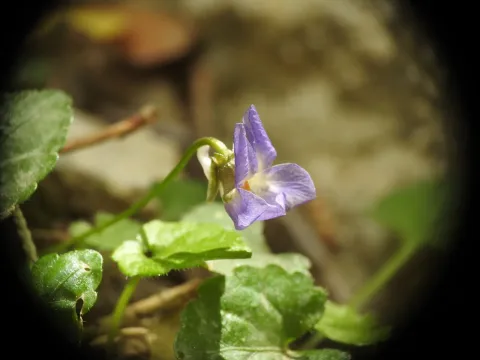
Cretan violet
Viola cretica
Cretan violet (Viola cretica) is a perennial herbaceous plant belonging to the Violaceae family. It is a rare endemic species native to the island of Crete, where it naturally inhabits high-altitude limestone crevices and rocky slopes.
What the section contains
Cretan violet
To successfully cultivate this species, it is essential to mimic its natural environment. The plant prefers bright, indirect light conditions, as excessive direct sunlight can easily damage its foliage during the hottest parts of the day.
The soil requirements are strict: the medium must be highly permeable, mimicking the stony, calcareous substrate of its natural habitat. A mix of grit, sand, and alkaline soil components is ideal to ensure proper water drainage.
Watering management is critical, as Viola cretica is highly susceptible to root rot in waterlogged conditions. It requires a consistent, light moisture level but should never be allowed to sit in stagnant water.
Temperature control is also vital. Being a mountain plant, it thrives in cooler, well-ventilated conditions. Exposure to high heat and stagnant air can quickly lead to plant decline, making greenhouse or garden airflow management a priority.
The primary threats to Viola cretica include fungal pathogens such as Pythium and Phytophthora, which thrive in poorly drained soils and contribute to lethal crown or root rot.
Common indoor and greenhouse pests, including aphids and spider mites, can quickly infest the plant if humidity levels are too low and air circulation is insufficient, leading to stunted growth.
Slugs and snails pose a serious risk to the tender leaves and flowers, especially when the plant is kept in an outdoor or semi-protected environment, necessitating regular monitoring and preventive measures.
Maintenance of plant health depends on strict adherence to watering regimes and the use of sterile growing media to prevent the introduction of soil-borne pathogens and pests.
- Ensure excellent substrate drainage.
- Provide constant air circulation.
- Use sterile pots and tools.
- Isolate new plants to prevent pest spread.