
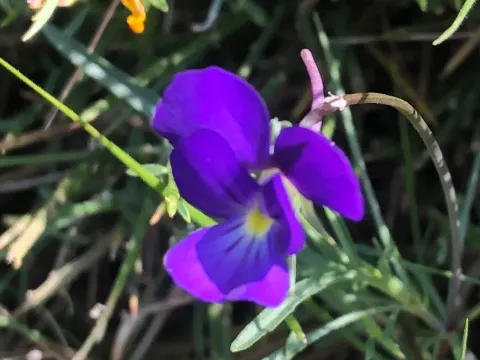
Corsican violet
Viola corsica
Sowing of Corsican violet seeds is typically carried out in early spring to take advantage of the cool temperatures preferred by the species.
What the section contains
Corsican violet
When starting indoors, seeds should be sown in late winter or early spring using a sterile seed-starting mix to ensure healthy seedling development.
The seeds require light to germinate, so they should be only lightly covered with soil or vermiculite, and a period of stratification can improve germination rates.
Consistent moisture must be maintained during the germination process, but care should be taken to avoid over-saturating the substrate.
Once seedlings are robust enough to handle, they are transplanted into individual pots or a nursery bed to acclimate before final planting.
Viola corsica is a perennial herb belonging to the Violaceae family, native to the high-altitude, rocky regions of Corsica and Sardinia.
This plant requires well-drained, nutrient-rich soil that mimics the rocky mountain slopes it naturally inhabits, ensuring no waterlogging.
It thrives in full sun to partial shade, preferring cooler spots where it is protected from the intense heat of midday during the peak summer.
Soil pH levels should be maintained in the slightly acidic to neutral range to ensure that essential minerals are properly absorbed by the plant roots.
Regular irrigation is necessary to keep the soil evenly moist, but the plants must not be left sitting in standing water to prevent root suffocation.
Fungal issues, such as root rot and Fusarium wilt, represent the most significant threat to the health of Corsican violet, especially in poor drainage conditions.
Powdery mildew can affect the foliage if the plants are placed in areas with poor airflow and high humidity, leading to leaf discoloration.
Gastropods like slugs and snails are common garden pests that enjoy feeding on the succulent leaves and flower buds of the violet.
Aphids can also cluster on the developing flower stalks, draining sap and potentially spreading viruses that damage the plant's overall vitality.
Effective pest management involves maintaining a clean garden environment and using targeted treatments if infestations become established.
While the Corsican violet is primarily grown for aesthetic purposes in rock gardens and alpine beds, harvesting is limited to plant maintenance.
Deadheading faded flowers is a crucial practice that helps the plant redirect energy into root development and subsequent waves of new blooms.
Seeds are harvested only when the capsules are fully mature and just beginning to dry out, ensuring high viability for the next planting season.
Proper storage involves keeping the seeds in a dry, dark, and cool environment to prevent premature germination or fungal decay during dormancy.
This species is highly valued for its long-lasting color, and dedicated gardeners use these techniques to ensure the plant thrives year after year.