
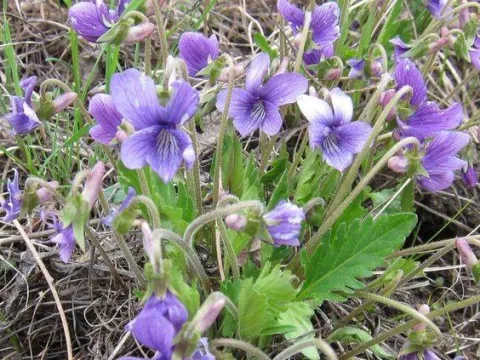
Cutleaf violet
Viola incisa
Seeds of the cutleaf violet are best sown before winter in open ground or subjected to stratification for 1–2 months at a temperature of about +4°C. This approach mimics the natural growth cycle of the plant, ensuring uniform germination in the spring.
What the section contains
Cutleaf violet
When using the seedling method, sowing is performed at the end of February or early March in a light substrate. The seeds are only lightly covered with soil, as they require diffused light and stable humidity levels to germinate successfully.
The optimal temperature for seedling emergence is +18...+20°C. Once two true leaves have developed, the seedlings should be pricked out into individual pots, which promotes the development of a robust root system.
Transplanting hardened seedlings to their permanent location should take place after the risk of late frosts has passed, typically in the second half of May. Plants are spaced 20–25 cm apart.
When selecting a planting site, it is important to remember that the culture does not tolerate direct midday sun well, preferring areas with partial shade.
The cutleaf violet belongs to the Violaceae family and is a perennial herbaceous plant known for its distinctively cut leaves. It is highly valued for its adaptability to temperate continental climates.
The plant has moderate soil requirements, preferring loose, fertile loams with a neutral or slightly acidic pH. A critical condition is ensuring good drainage, as water stagnation is detrimental to its roots.
The crop requires regular but moderate watering, especially during dry periods of the growing season. Overwatering the soil often leads to the development of fungal root diseases.
For intense growth and lush flowering, it is recommended to apply complex mineral fertilizers with low nitrogen content, avoiding excessive foliage growth at the expense of floral display.
The plant is frost-hardy, although in regions with snowless winters, light mulching of the root zone with peat or fallen leaves is recommended to prevent frost heave or damage.
The main threats to the cutleaf violet include fungal diseases such as powdery mildew and gray mold, which thrive in conditions of high humidity and overcrowded planting patterns.
Pests like spider mites and aphids can attack the above-ground parts of the plant during hot and dry summer spells, negatively affecting the plant's aesthetic value and vitality.
Disease control involves the use of modern systemic fungicides, as well as strict adherence to irrigation regimes and ensuring adequate airflow between plants.
To prevent pest outbreaks, prophylactic treatments with biological agents are recommended, as these are safer for beneficial pollinators in the garden.
Timely weeding and the removal of plant debris significantly reduce the risk of infection spread, maintaining healthy plantations throughout the season.