
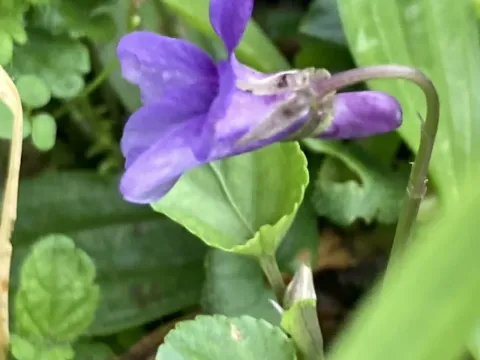
Early dog-violet
Viola reichenbachiana
The Early dog-violet (Viola reichenbachiana) is a perennial herbaceous plant belonging to the Violaceae family. It is native to various European and Western Asian woodland ecosystems, thriving in shaded habitats.
What the section contains
Early dog-violet
Cultivation of this species requires shaded or semi-shaded locations with moisture-retentive, fertile soil. Exposure to direct sunlight is typically detrimental to the plant, causing leaf scorch and reduced vitality.
The ideal soil conditions include a rich, well-draining loam with a neutral to slightly acidic pH level. Incorporating organic matter, such as leaf mold, helps mimic the forest floor environment the plant naturally requires.
In terms of climate, Viola reichenbachiana is highly cold-hardy, capable of surviving significant winter frost without specialized protection. It prefers cool, stable microclimates found under a canopy of trees.
Botanically, it is characterized by its slender, spur-like features and pale purple flowers. Propagation is primarily through seeds, which often utilize ants for dispersal, a process known as myrmecochory.
The most common disease threats include leaf spot pathogens and powdery mildew. These fungal issues typically arise in poorly ventilated areas where humidity levels remain consistently high for extended periods.
Insect pests such as larvae of fritillary butterflies are major threats, as they can rapidly defoliate large sections of a violet planting. Constant vigilance is required during the peak growing season to prevent damage.
Gastropods, including slugs and snails, often feed on young, succulent foliage during damp weather. Implementing physical barriers or organic baits is an effective strategy for maintaining plant health.
Root rot is a significant risk if the soil becomes waterlogged or overly compacted. Proper soil management and ensuring sufficient drainage are essential for preventing root-zone pathogens from proliferating.
To ensure healthy growth, cultivators should focus on preventative care by maintaining optimal spacing between plants to allow for airflow, which reduces the incidence of both fungal infections and moisture-loving pests.