
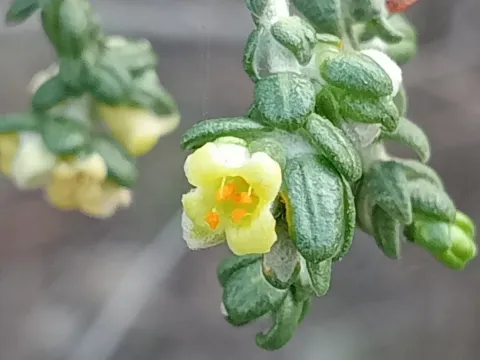
Thymelaea
Thymelaea
The propagation of Thymelaea typically begins in the early spring, coinciding with the natural warming of the soil. Seeds require a mandatory period of cold stratification for 1 to 2 months to break dormancy and ensure high germination rates.
What the section contains
 Silver thymelaea
Thymelaea argentata
Silver thymelaea
Thymelaea argentata
 Thymelaea calycina
Thymelaea calycina
Thymelaea calycina
 Thymelaea coridifolia
Thymelaea coridifolia
Thymelaea coridifolia
 Thymelaea dioica
Thymelaea dioica
Thymelaea dioica
 Thymelaea gussonei
Thymelaea gussonei
Thymelaea gussonei
 Thymelaea hirsuta
Thymelaea hirsuta
Thymelaea hirsuta
 Thymelaea lanuginosa
Thymelaea lanuginosa
Thymelaea lanuginosa
 Thymelaea lythroides
Thymelaea lythroides
Thymelaea lythroides
 Thymelaea mesopotamica
Thymelaea mesopotamica
Thymelaea mesopotamica
 Thymelaea microphylla
Thymelaea microphylla
Thymelaea microphylla
 Thymelaea passerina
Thymelaea passerina
Thymelaea passerina
 Thymelaea procumbens
Thymelaea procumbens
Thymelaea procumbens
 Thymelaea pubescens
Thymelaea pubescens
Thymelaea pubescens
 Thymelaea ruizii
Thymelaea ruizii
Thymelaea ruizii
 Thymelaea sanamunda
Thymelaea sanamunda
Thymelaea sanamunda
 Thymelaea tartonraira
Thymelaea thesioides
Thymelaea thesioides
Thymelaea tartonraira
Thymelaea tartonraira
Thymelaea thesioides
Thymelaea thesioides
 Thymelaea tinctoria
Thymelaea tinctoria
Thymelaea tinctoria
 Thymelaea villosa
Thymelaea villosa
Thymelaea villosa
 Velvet thymelaea
Thymelaea velutina
Velvet thymelaea
Thymelaea velutina
Thymelaea
A well-draining, sandy-based substrate is essential for seed starting to prevent fungal development. Seeds should be sown at a shallow depth of approximately 0.5 centimeters, as they benefit from ambient light during the initial phases of emergence.
For large-scale cultivation, greenhouses are used to maintain a consistent environment before transplanting. Germination is often slow and asynchronous, requiring producers to maintain steady moisture without saturation for an extended period.
Once seedlings have developed their first set of true leaves, they should be hardened off by gradually exposing them to outdoor conditions. This process helps the plant build resilience against environmental stress before it is placed in its permanent outdoor location.
Direct field sowing is rarely practiced due to the slow growth rate of young plants; therefore, starting in containers is the standard agricultural procedure to ensure successful establishment.
Thymelaea belongs to the Thymelaeaceae family and is native to Mediterranean environments, thriving in sunny, arid, and rocky landscapes. It is a drought-tolerant shrub that performs best when exposed to full, direct sunlight throughout the day.
The soil profile for this crop should be light, porous, and contain a significant amount of mineral content, preferably with alkaline or calcareous properties. Heavy, clay-heavy soils are unsuitable as they inhibit proper root respiration and promote decay.
Watering requirements are low, as the plant is adapted to survive with minimal rainfall. It is essential to allow the soil to dry out significantly between watering sessions to avoid root rot, which is the most common cause of failure in cultivation.
Regarding climate, Thymelaea prefers regions with mild winters and hot, dry summers. While some species show moderate frost resistance, they are generally not suitable for regions with severe, prolonged freezing temperatures.
- Excellent soil drainage.
- High solar radiation exposure.
- Low soil moisture retention.
- Avoidance of high-nitrogen fertilizers.
The primary concern for Thymelaea cultivation is root system pathogens caused by excessive soil moisture and poor drainage. Once root decay begins, the condition is often irreversible, necessitating strict adherence to irrigation schedules.
Foliar diseases, such as fungal spotting, occur when air circulation around the plant is insufficient or humidity levels remain high for too long. Pruning to open the plant canopy can significantly reduce the risk of such infections.
Sap-sucking insects like aphids and mites are common pests that target the soft, young growth of the shrub during hot, dry spells. Integrated pest management using neem oil or soft soaps is often effective for controlling these infestations.
Nematodes in the soil can also pose a threat, particularly if the land has not been properly managed or if crop rotation practices have been ignored in previous cycles.
Proactive monitoring of leaf color and canopy density is the best approach to detect stress early, allowing the grower to adjust watering or sanitation protocols before significant damage occurs.