
Velvet ramin
Gonystylus velutinus
Description
Growing requirements
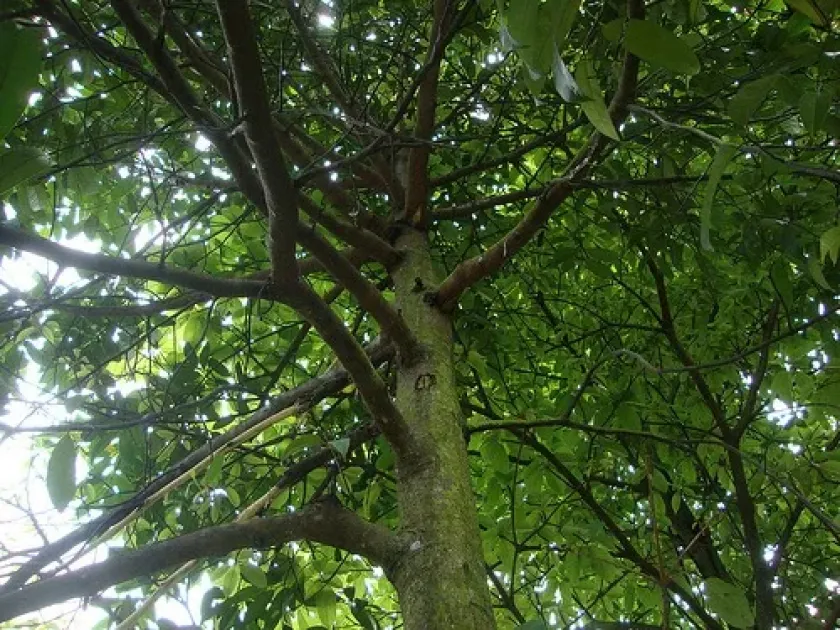
Velvet ramin (Gonystylus velutinus) is a botanical species belonging to the Thymelaeaceae family. It is a tropical tree native to the peat swamp forests of Southeast Asia, specifically documented in regions of Malaysia and Indonesia.
The plant thrives in waterlogged conditions and requires acidic, organic-rich peat soils to achieve optimal development. It is highly sensitive to changes in the water table, which defines its narrow ecological niche.
Climate requirements involve a perennially hot and humid tropical environment without significant seasonal fluctuations. The species is shade-tolerant during its juvenile stage, requiring canopy cover for protection.
Cultivation attempts require strict adherence to hydrological management, mimicking the natural swamp conditions. Successful establishment depends on protecting the soil structure from drying out, which is fatal to the root system.
The biological life cycle is characterized by a slow growth rate, making this a long-term silvicultural crop. The seeds have a short viability period and must be planted shortly after dispersal to ensure germination.
Harvesting
The primary commercial interest in Gonystylus velutinus is its timber, marketed internationally as Ramin. It is a light-colored, medium-density wood favored for its consistent grain and excellent working properties.
Ramin wood is extensively used in the production of high-quality furniture, architectural moldings, dowels, and wooden handicrafts. Its aesthetic neutrality makes it a versatile choice for interior finishings.
Due to extensive logging of wild populations, the entire Gonystylus genus is protected under CITES appendices. This regulation enforces strict international trade controls to prevent illegal harvesting and extinction.
Harvesting operations must follow sustainable forest management practices. These include selective cutting techniques that protect younger trees and maintain the integrity of the fragile peat swamp ecosystem.
Future agricultural efforts for this species focus on reforestation programs and sustainable plantation development, ensuring that the harvesting process contributes to species conservation rather than depletion.