
Pimelea
Pimelea
Pimelea is a diverse genus of evergreen shrubs and subshrubs belonging to the Thymelaeaceae family. Primarily native to the Australian continent and New Zealand, these plants have evolved to thrive in various environmental conditions, ranging from coastal dunes to mountainous terrains.
What the section contains


Pimelea
Success in cultivating Pimelea depends heavily on soil drainage; the roots are exceptionally sensitive to waterlogging. A free-draining sandy loam or a specialized potting mix containing grit or perlite is essential to prevent root rot and promote healthy gas exchange in the soil.
Regarding climate, these plants prefer sunny locations with moderate temperatures. While some species can tolerate light frosts, they generally require protection from extreme cold and exposure to harsh, drying winds that can dehydrate the foliage quickly.
Fertilization should be handled with caution, as many Pimelea species have adapted to nutrient-poor soils. It is advised to use low-phosphorus fertilizers designed for native plants, applied sparingly during the active growth phase in spring and early summer.
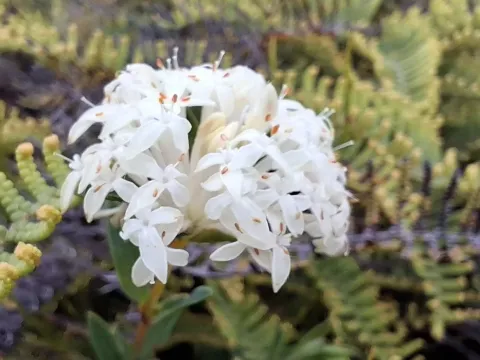
Botanical traits include attractive flower heads, which can be terminal or auxiliary, often surrounded by floral bracts that mimic petals. Regular pruning after flowering helps maintain a compact, bushy habit and prevents the plant from becoming leggy or unproductive over time.
Phytophthora root rot is the most serious threat to Pimelea crops, often fatal if drainage is not managed correctly. Using disease-free stock and maintaining rigorous sanitation protocols during propagation and potting are the most effective prevention strategies.
Pests like spider mites and mealybugs frequently target plants in enclosed environments, such as greenhouses or conservatories. These insects thrive in warm, stagnant air, necessitating regular monitoring of the leaf undersides and stems to catch infestations early.
Fungal leaf spots can occur if humidity remains too high and air circulation is poor, particularly in crowded greenhouse conditions. Ensuring sufficient space between plants and promoting good airflow around the canopy significantly reduces the risk of foliar pathogens.
Nutrient toxicity, especially from high salt levels in water or fertilizers, can lead to marginal leaf burn and reduced plant vigor. Monitoring the electrical conductivity of the water and soil is recommended for long-term health management in professional nurseries.
Integrated Pest Management (IPM) practices, including the use of biological controls for mites, are highly encouraged to maintain plant health without over-relying on harsh synthetic chemicals that may harm the delicate tissues of the plant.