
Velvet thymelaea
Thymelaea velutina
Description
Growing requirements
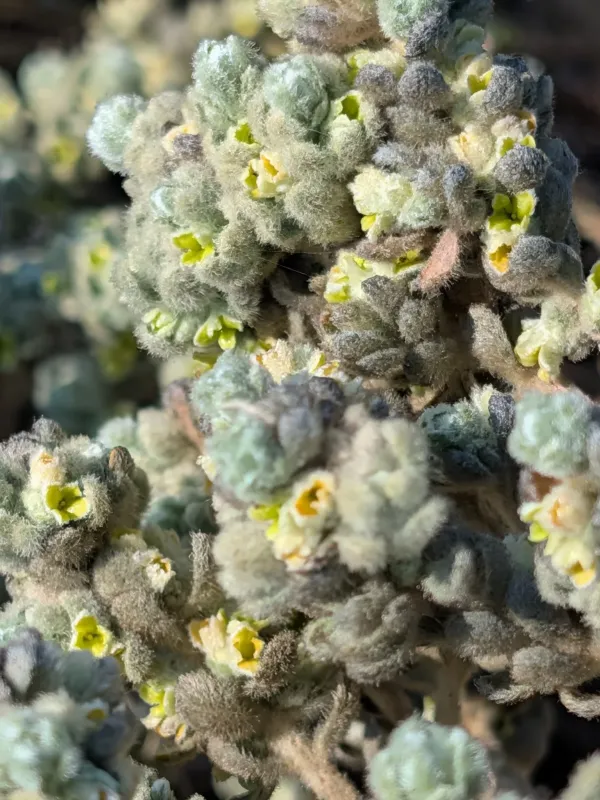
Velvet thymelaea (Thymelaea velutina) is a perennial shrub belonging to the Thymelaeaceae family. Its name reflects the presence of dense, fine hairs on its leaves, which are an evolutionary adaptation to arid Mediterranean environments.
Cultivation requires well-drained, calcareous soils, as the plant is highly susceptible to root rot in waterlogged conditions. It thrives in stony soils where oxygen exchange in the root zone is optimal.
The plant is classified as heliophilic, meaning it requires intense sunlight for healthy development. It is naturally adapted to regions with hot, dry summers and mild, wet winters, which dictates the necessary climate conditions for its growth.
Regarding agrotechnology, the plant needs minimal fertilization, as it is adapted to low-nutrient substrates. Over-fertilization, especially with nitrogen, can weaken the plant's structural integrity and make it more susceptible to environmental stress.
Spacing is a crucial factor to ensure proper airflow around the plant, which reduces the risk of fungal proliferation. Maintaining a moderate distance between specimens promotes healthy growth and canopy development.
Main diseases and pests
The primary threats to Thymelaea velutina are soil-borne pathogens, specifically fungal species causing root rot. Excessive irrigation is the most common cause of plantation failure in non-native environments.
Pests such as mites and aphids can infest the soft tissues during the peak growing season. These insects feed on sap, which may cause wilting or stunted growth if left unmanaged.
Effective management strategies involve monitoring the plantation for early signs of yellowing or necrotic spots on leaves. Implementing a dry-out cycle between watering sessions is the best prophylactic measure against fungal issues.
Pruning is recommended for removing dead or diseased branches, ensuring that tools are disinfected between each plant to prevent the spread of systemic infections.
Integrated Pest Management (IPM) practices are highly recommended, prioritizing the use of predatory insects or organic sprays that do not leave harmful residues on the plant's delicate foliage.