
Thymelaea calycina
Thymelaea calycina
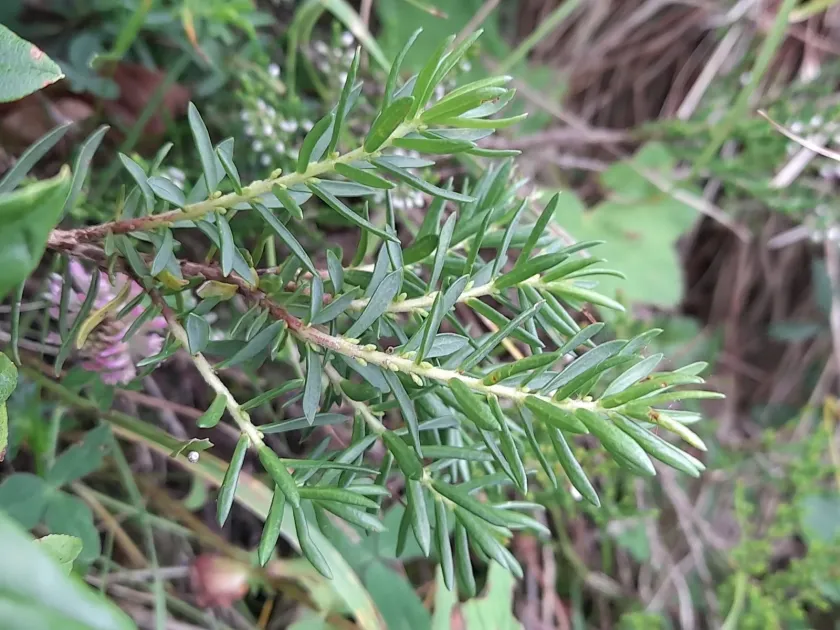
Description
Growing requirements
Thymelaea calycina is a perennial semi-shrub belonging to the Thymelaeaceae family. This species is known for its resilience and ability to thrive in challenging, harsh environments typical of its native range.
The plant originates from Mediterranean-type ecosystems, where it is commonly found on rocky, calcareous slopes. Its morphological adaptations allow it to conserve water effectively, making it a valuable candidate for xeric landscapes.
Optimal growth conditions require full sun exposure, as the species is highly photophilous. Insufficient light levels lead to etiolated stems and a significant decline in the plant's overall vitality and aesthetic appeal.
Regarding soil requirements, Thymelaea calycina prefers well-drained, nutrient-poor substrates with an alkaline pH. Heavy, water-retentive soils are detrimental, as they often lead to root rot and other physiological stressors.
Agrotechnical care is minimal, primarily focusing on maintaining proper drainage and avoiding excessive irrigation. Due to its drought-tolerant nature, supplemental watering should only be provided during extreme and prolonged drought periods.
Main diseases and pests
The most significant threat to the health of Thymelaea calycina is root decay, typically triggered by improper soil moisture management. Ensuring adequate drainage is the most effective preventative measure against such diseases.
Various pests, including mites and small sap-sucking insects, may occasionally infest young vegetative shoots. Early detection through regular inspections of the plant's canopy is crucial for effective control.
Leaf spots caused by fungal pathogens can appear if the plant is grown in areas with poor air circulation or high ambient humidity. Improving plant spacing is essential to mitigate these risks in an agricultural setting.
Mineral imbalances, particularly concerning trace elements, can lead to chlorosis and stunted growth. Soil testing and the application of balanced, slow-release fertilizers are recommended to maintain optimal plant health.
Environmental stress, such as unseasonably high humidity combined with low temperatures, can compromise the plant's natural defense mechanisms. Providing a sheltered location can help mitigate these environmental risks.