
Thymelaea ruizii
Thymelaea ruizii
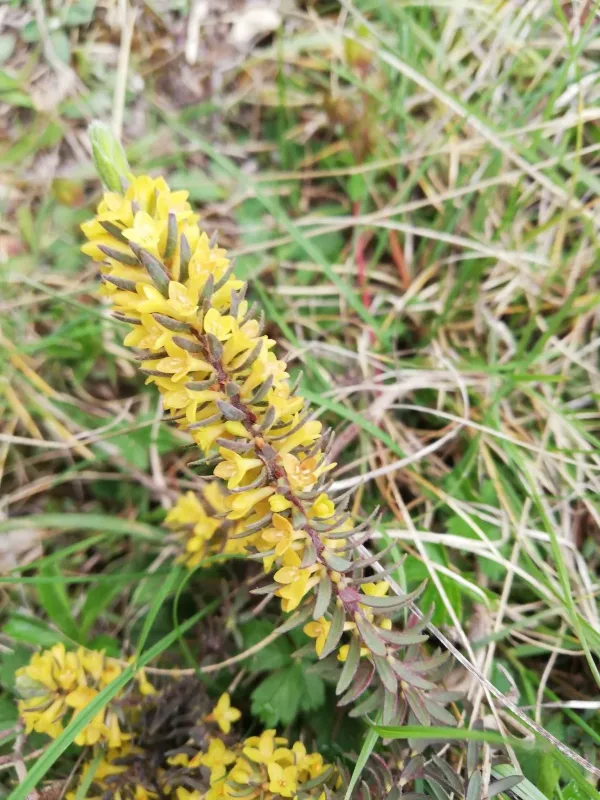
Description
Growing requirements
Thymelaea ruizii is a perennial shrub belonging to the Thymelaeaceae family. Primarily native to the Iberian Peninsula, this plant is well-adapted to Mediterranean climates characterized by dry and harsh environmental conditions.
The plant exhibits significant xeric characteristics, allowing it to thrive in arid and rocky environments where water retention is low. It is particularly valued for its resilience in nutrient-poor, stony soils.
Botanically, Thymelaea ruizii displays compact growth with small, leathery leaves designed to reduce transpiration. Its root system is exceptionally efficient at penetrating rock fissures, securing moisture in extreme conditions.
To cultivate this species successfully, growers must ensure well-draining soil conditions. It is essential to avoid sites where water accumulates, as this can lead to rapid decline of the root system.
The cultural requirements prioritize full sun exposure and minimal soil amendments. Excessive fertilizing is often detrimental, as the plant is evolved to extract nutrients from lean mineral substrates.
Main diseases and pests
Fungal pathogens associated with high soil moisture represent the primary threat to Thymelaea ruizii. Proper air circulation and effective drainage are critical components of disease prevention.
Pest pressure is generally low, although occasional monitoring for leaf-feeding insects is advised. Chemical control should be implemented sparingly to preserve the ecological balance of the site.
Root rot, induced by waterlogging, is the most common cause of plant failure. It is recommended to observe the plants closely during and after the rainy season to detect early symptoms.
Symptoms of distress often include wilting or discoloration of the foliage, which necessitates an immediate inspection of the root zone and soil texture parameters.
Adhering to strict agricultural practices such as moisture control and soil aeration helps in mitigating the risks associated with pathogens and ensuring long-term plant health.