
Thymelaea pubescens
Thymelaea pubescens
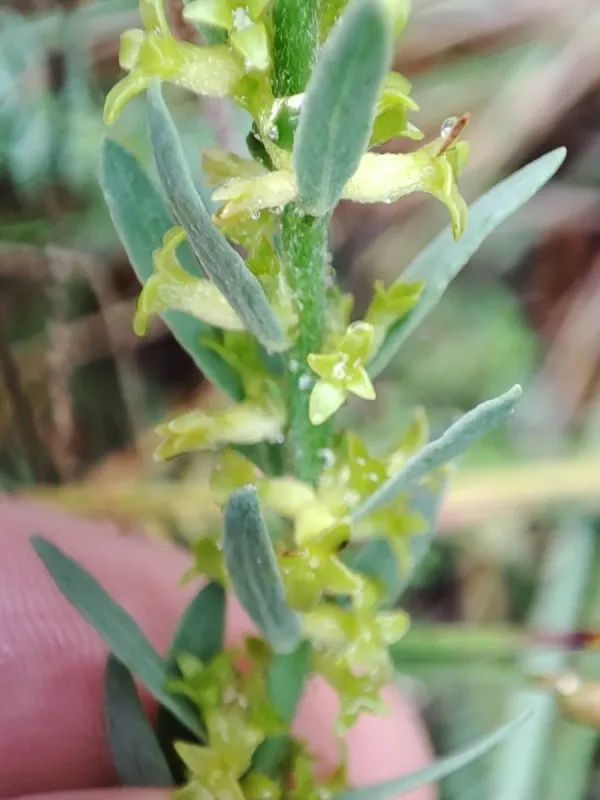
Description
Growing requirements
Thymelaea pubescens is a perennial subshrub belonging to the Thymelaeaceae family. It is biologically characterized by its xerophytic nature, allowing it to thrive in harsh environments that are typically unsuitable for traditional crops.
The plant originates from the Mediterranean and Western Asian regions, where it has evolved to dominate dry, stony landscapes. Its physiological adaptations include specialized foliage and a deep root structure designed to maximize water intake in drought-prone areas.
Soil requirements for this species are specific: it prefers well-drained, alkaline, and gritty substrates. Heavy, clay-based soils are detrimental to the plant, as poor drainage leads to root rot and systemic vulnerability.
Agricultural management focuses on minimal intervention. Once established, the plant requires very little care, showing excellent resilience to temperature fluctuations and limited nutrient availability in the substrate.
The economic potential of Thymelaea pubescens lies in its fiber properties and the presence of bioactive chemical compounds, which have drawn interest from the pharmaceutical and fiber industries for potential industrial exploitation.