
Thymelaea microphylla
Thymelaea microphylla
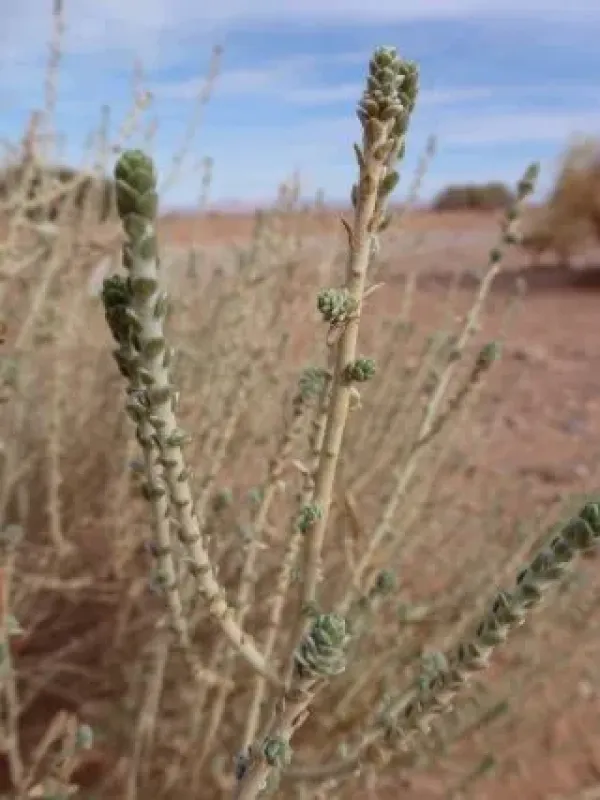
Description
Growing requirements
Thymelaea microphylla is a perennial subshrub belonging to the Thymelaeaceae family. It is a highly specialized plant adapted to harsh, arid environments, exhibiting physiological traits that minimize water loss and maximize resilience in nutrient-poor substrates.
The native distribution of this species spans the arid regions of North Africa and Mediterranean ecosystems. These areas are characterized by intense sunlight, high diurnal temperature variations, and long periods of extreme drought, to which the plant has adapted through deep root development.
Requirements for cultivation focus on strict moisture management. The plant demands extremely well-drained, sandy, or rocky soils, as any form of water stagnation leads to root rot and rapid senescence. Providing a porous soil structure is essential for the healthy physiological function of the crop.
The agronomic management of Thymelaea microphylla relies on low-input practices. Given its natural adaptation to poor soils, the plant requires minimal fertilization, though monitoring for nutritional deficiencies in highly leached soils can be beneficial during the active growth phase.
Beyond its botanical interest, the species serves an important ecological role in arid land management. Its ability to colonize and stabilize shifting sands makes it a valuable candidate for land reclamation projects and the prevention of desertification in vulnerable agricultural areas.