
Thymelaea tartonraira
Thymelaea tartonraira
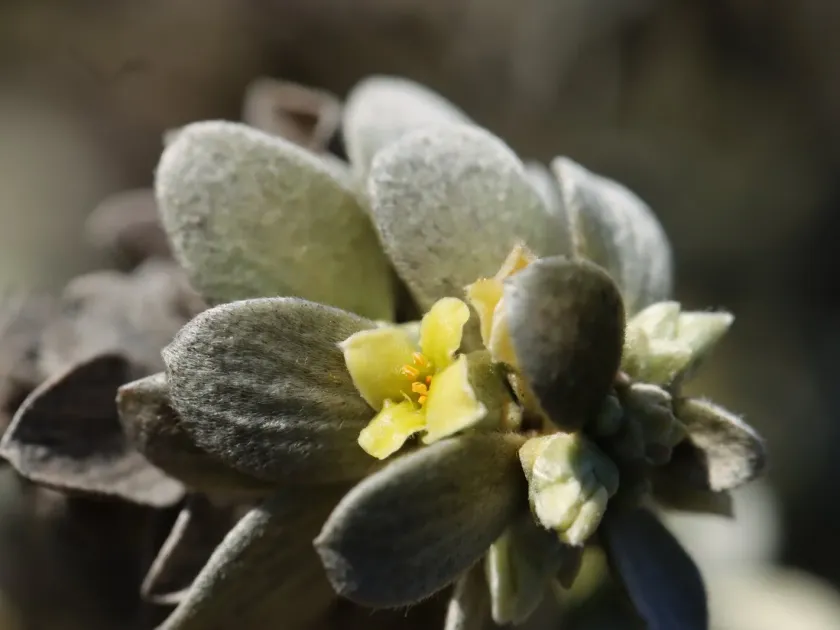
Description
Sowing dates
Thymelaea tartonraira is a perennial shrub, often propagated by seeds or semi-hardwood cuttings. Seeds should ideally be sown in the autumn to benefit from natural stratification, which enhances overall germination rates.
When starting seeds, it is critical to use a well-draining, gritty medium. Sowing depth should be shallow, as the small seeds require light exposure to trigger the germination process effectively.
Cuttings are a preferred method for commercial nurseries, taken in late summer when the wood has begun to firm up. Applying a rooting hormone can significantly improve the success rate of these cuttings in a controlled environment.
Care must be taken to keep the substrate barely moist rather than saturated during the early growth stages. Once established, the seedlings should be gradually acclimated to full outdoor sun exposure before final transplantation.
For field cultivation, spacing should be optimized to allow for healthy air circulation around each bush, reducing the risk of fungal outbreaks in dense plantation layouts.
Growing requirements
Thymelaea tartonraira, a member of the Thymelaeaceae family, is naturally adapted to dry, rocky Mediterranean habitats. It is highly valued for its extreme drought tolerance once fully established in a landscape.
The primary soil requirement is excellent drainage, as the roots are highly susceptible to rot in waterlogged conditions. The plant thrives in alkaline, calcareous soils and tends to struggle in acidic or heavy clay environments.
Full sun is essential for the healthy development of this species. It is not suitable for shady or semi-shaded areas, as restricted sunlight levels result in sparse foliage and weakened structural integrity of the branches.
Climatic requirements involve moderate heat during the growing season and protection from harsh frost in colder regions. If grown in cooler zones, protective mulch or container cultivation is recommended to manage winter dormancy.
Maintenance involves minimal irrigation, as the plant is evolved to extract moisture efficiently from rocky substrates even during extended periods of low rainfall.
Main diseases and pests
Fungal diseases are the most significant threat to Thymelaea tartonraira, particularly root rot caused by poor soil drainage. Maintaining a dry, airy root zone is the most effective preventative measure against these pathogens.
Pests like spider mites can become problematic during hot, dry spells if the plant is under stress. Monitoring the underside of leaves and ensuring the plant remains hydrated during extreme heat can help prevent infestations.
Powdery mildew may occur if the planting density is too high or if the site has poor air circulation. Pruning for better light penetration can significantly mitigate this risk, promoting a robust and healthy plant canopy.
Soil-borne pathogens like Phytophthora require strict adherence to drainage practices to control. Avoiding the overuse of fertilizers is crucial, as excessive nitrogen results in succulent growth that is more prone to aphid attacks.
Sanitation practices, such as removing dead or damaged branches during the winter, are vital to keep the plant vigorous and free from potential entry points for fungal or bacterial infections.