
Pimelea
Pimelea Banks ex Soland.
Pimelea is a genus of evergreen shrubs and subshrubs belonging to the Thymelaeaceae family. There are approximately 110 species in the genus, primarily native to Australia, New Zealand, and various Pacific islands, where they thrive in diverse ecological niches.
What the section contains


Pimelea
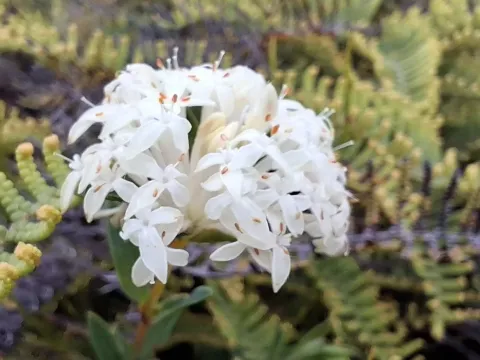
The botanical structure of Pimelea features attractive head-like or umbel-shaped inflorescences composed of numerous small, tubular flowers. Its foliage typically consists of opposite, entire, and leathery leaves, which are well-adapted to the relatively arid environments found in much of its natural habitat.
Successful cultivation of Pimelea requires well-draining, slightly acidic to neutral soils with low phosphorus levels. The plant is extremely sensitive to waterlogged conditions, making it essential to provide high-quality drainage in containers or garden beds to prevent root zone saturation.
Climate preferences for Pimelea are rooted in its Australian origins, favoring bright, indirect light and moderate air temperatures. Most species are not frost-tolerant, meaning they are best cultivated in greenhouse or indoor environments in temperate regions, protected from direct, scorching midday sun.
The primary utility of Pimelea is ornamental. Its extended flowering period and unique structural form make it a prized plant for greenhouse collections, winter gardens, and professional landscape designs that emphasize exotic and low-maintenance aesthetic values.
The primary threat to Pimelea is root rot, typically caused by excessive moisture and fungal pathogens such as Phytophthora. Effective management involves careful watering schedules and the application of appropriate systemic fungicides if drainage issues occur or symptoms appear.