
Thymelaea sanamunda
Thymelaea sanamunda
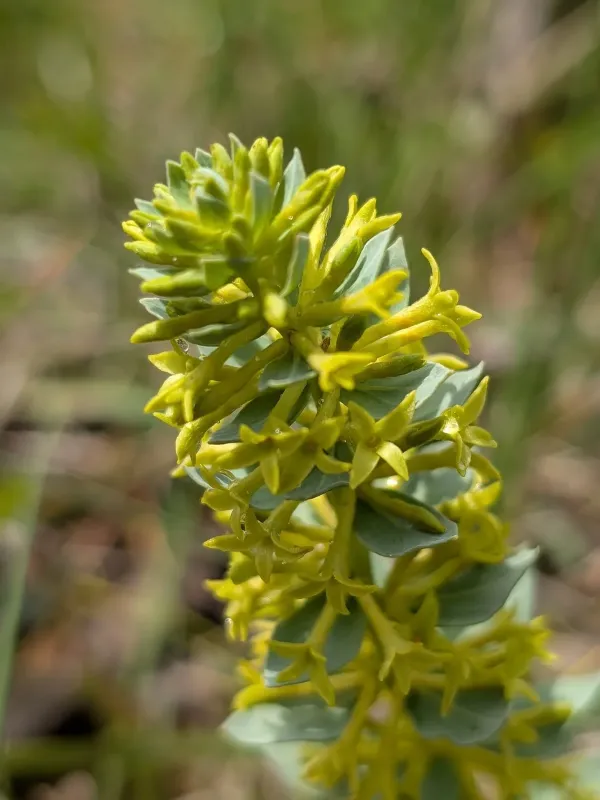
Description
Growing requirements
Thymelaea sanamunda is a distinct shrub belonging to the Thymelaeaceae family, native to the Mediterranean basin. It is widely recognized for its evolutionary adaptation to arid, rocky environments and nutrient-poor calcareous soils.
The plant exhibits remarkable xerophytic characteristics, allowing it to thrive in regions with significant water deficits and high solar radiation. Its survival strategy involves a specialized root system capable of navigating fissures in limestone rocks to access limited moisture.
Botanically, this species is defined by its compact shrubby habit, bearing small, often densely packed leaves designed to minimize water loss. The plant remains relatively low-growing, which is a structural advantage in windswept, dry habitats.
When considering cultivation, the primary requirement is exceptional drainage. Thymelaea sanamunda is highly intolerant of waterlogging, which rapidly leads to root rot and systemic failure of the plant tissue.
The agricultural potential of this species lies in its utility for xeriscaping and reclamation of degraded, arid lands where common crops cannot survive. It requires minimal inputs, making it an economically interesting candidate for low-maintenance landscaping.
Main diseases and pests
The most significant threats to Thymelaea sanamunda are fungal pathogens associated with soil moisture excess, such as Phytophthora or Fusarium species. These organisms can quickly compromise the plant's vascular system.
Pests are generally less of a problem, although aphids and scale insects may occasionally infest younger branches during active growth periods. Regular monitoring of the canopy is recommended to detect any initial signs of infestation.
Preventive maintenance involves strictly avoiding overhead irrigation and ensuring the soil remains light and airy. These measures significantly reduce the incidence of fungal issues.
Sanitary pruning should be conducted periodically to remove dead or diseased wood. This practice not only improves the aesthetic appearance but also enhances air circulation within the foliage.
By mimicking the natural Mediterranean cycle of dry summers and mild winters, cultivators can minimize risks and support the plant's long-term health and structural integrity.