
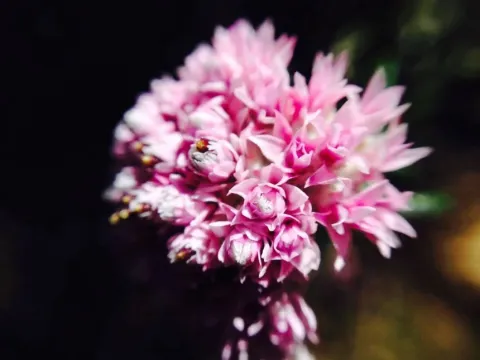
Passerina
Passerina
Passerina is a genus of evergreen shrubs belonging to the Thymelaeaceae family. These plants are primarily recognized for their ornamental value and their ability to thrive in specialized environmental niches, often serving as hardy specimens in xeriscaping.
What the section contains


Passerina
Originating largely from the southern regions of Africa, Passerina species are naturally adapted to high-light environments. Successful cultivation requires full sun exposure to maintain the plant's structural integrity and prevent stunted, unhealthy growth patterns.
The soil requirements for Passerina are specific: they necessitate well-draining, nutrient-poor, and slightly acidic to neutral substrates. Heavy, clay-rich soils are generally unsuitable as they trap moisture and cause rapid root suffocation.
These shrubs are highly drought-tolerant, having evolved mechanisms to survive with minimal rainfall. Agronomists emphasize that over-irrigation is the most common cause of failure, as the root system requires significant aeration.
Temperature sensitivity is a critical factor, as most species are not frost-hardy. Growers in temperate regions must manage them as container plants, moving them to frost-free environments during winter months to ensure survival.
The primary threats to Passerina health are directly linked to humidity levels and inadequate air circulation. Excessive environmental moisture often leads to rapid decline in these arid-adapted species.
Root rot, caused by fungal pathogens in the soil, remains the most significant threat. It is typically a secondary consequence of poor drainage or overwatering, making early detection and prevention through soil management essential.
Pests such as spider mites can infest the foliage, particularly when the plants are grown in greenhouses or indoor environments with low humidity. These pests feed on plant cells, leading to chlorosis and potential defoliation.
Mealybugs are another common concern, often found in the leaf axils of the shrubs. They extract plant sap and secrete honeydew, which may further attract sooty mold, compromising the plant's photosynthetic ability.
To mitigate these risks, integrated pest management practices should be employed, focusing on maintaining optimal soil moisture and conducting regular visual inspections to catch infestations before they spread across the crop.