
Thymelaea tinctoria
Thymelaea tinctoria
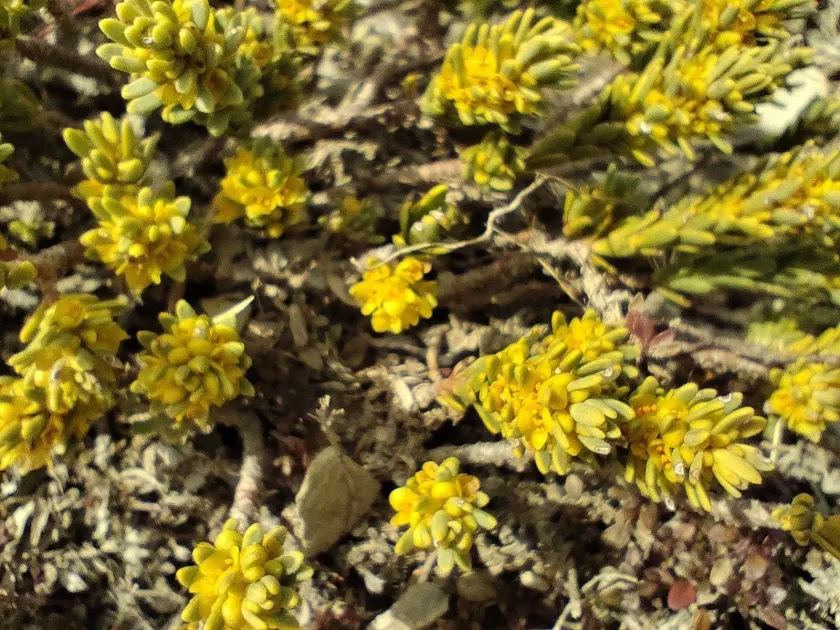
Description
Growing requirements
Thymelaea tinctoria is a resilient perennial species belonging to the Thymelaeaceae family. It has historically been cultivated for its properties as a natural yellow dye, making it a niche but valuable industrial crop in specific regions.
The plant thrives in Mediterranean-type climates, requiring well-drained, stony or sandy soils. It is notably drought-tolerant, which makes it an excellent candidate for sustainable agriculture in arid environments.
Soil preparation requires deep plowing to allow root establishment, followed by light cultivation to eliminate initial weed competition. The plant does not require high levels of nitrogen fertilization, as it is adapted to nutrient-poor soils.
Regarding climate, Thymelaea tinctoria prefers full sun exposure to maximize the production of secondary metabolites. Excessive humidity is a limiting factor, as it increases the risk of root rot and foliage diseases.
Crop maintenance involves systematic monitoring of soil moisture during the first year. Once established, the plants require minimal intervention, allowing for low-input farming practices.
Harvesting
The harvesting process is centered on the peak flowering phase. During this time, the concentration of the coloring agent in the leaves and tender stems reaches its peak potential.
Mechanical harvesting equipment is typically used to cut the aerial parts of the plant. Precision is required to ensure that the yield contains minimal foreign matter for efficient dye extraction.
Post-harvest management involves immediate drying of the biomass. Avoiding heat stress during the drying phase is essential to maintain the vibrant color profile of the extracted pigments.
The industrial output serves the textile industry, particularly in the niche market of organic and artisanal fabric dyeing. This highlights the plant's relevance in the growing sustainable fashion sector.
Following the harvest, the fields should be managed to prevent erosion, as the plant acts as a soil binder, contributing to the long-term conservation of the farming site.